ZAZOU
ID#
116
Build/code name(s):
FB274
ZAZOU
ID#
116
Build/code name(s):
FB274
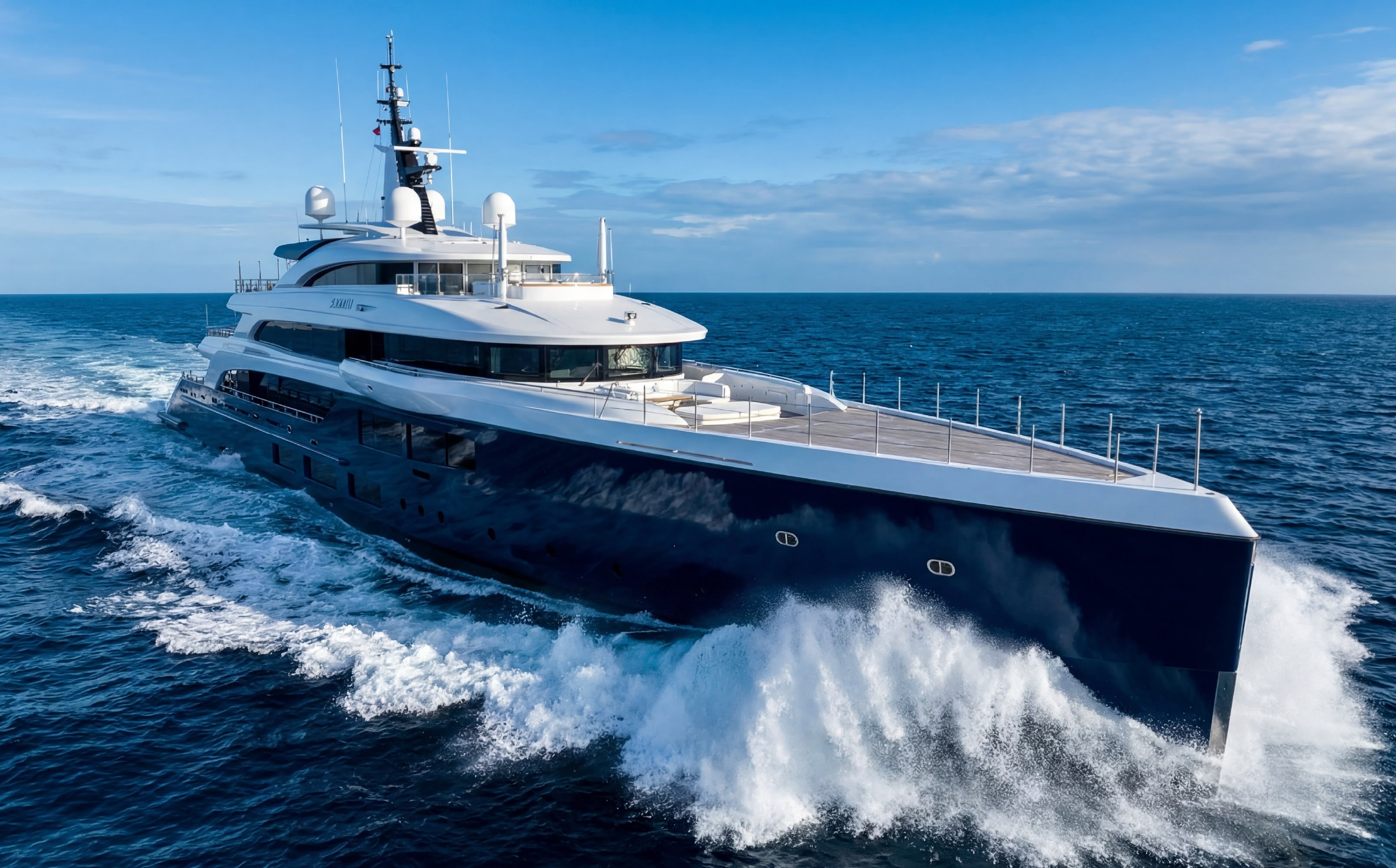
PRIVATE USE ONLY
PRIVATE USE ONLY
Length
65
m
/
213.3
ft
Beam
11.9
m
/
39.1
ft
Volume
1,197
GT
Guests sleeping
12
Cabins
6
Crew members
16
Main Specs
Length
65
m
/
213.3
ft
Beam
11.9
m
/
39.1
ft
Volume
1,197
GT
Guests sleeping
12
Cabins
6
Crew members
16
Estimated build cost
$75,000,000
Build
Shipyard
Benetti
Year
2021
Hull Type
Mono-Hull
Full displacement
Hull Material
Steel
Superstructure Material
Aluminum
Last Refit
2024
Show more about refit(s)
Categories
Build Type
1-of-1 Custom build
Vessel Type
Yacht
Super yacht
Categories
Build Type
1-of-1 Custom build
Vessel Type
Yacht
Super yacht
Design
Exterior
Cassetta Yacht Designers
Main Color
Dark Blue
Interior
Sinot Yacht Design
Amenities
Outdoor cinema
Indoor cinema room
Elevator
Tender garage
Sauna/Steam room/Hammam
Massage room
Gym
Swimming pool
Jacuzzi
Helipad
Build
Shipyard
Benetti
Year
2021
Hull Type
Mono-Hull
Full displacement
Hull Material
Steel
Superstructure Material
Aluminum
Last Refit
2024
Show more about refit(s)
Design
Exterior
Cassetta Yacht Designers
Main Color
Dark Blue
Interior
Sinot Yacht Design
Categories
Build Type
1-of-1 Custom build
Vessel Type
Yacht
Super yacht
Amenities
Outdoor cinema
Indoor cinema room
Elevator
Tender garage
Sauna/Steam room/Hammam
Massage room
Gym
Swimming pool
Jacuzzi
Helipad
Exterior Design
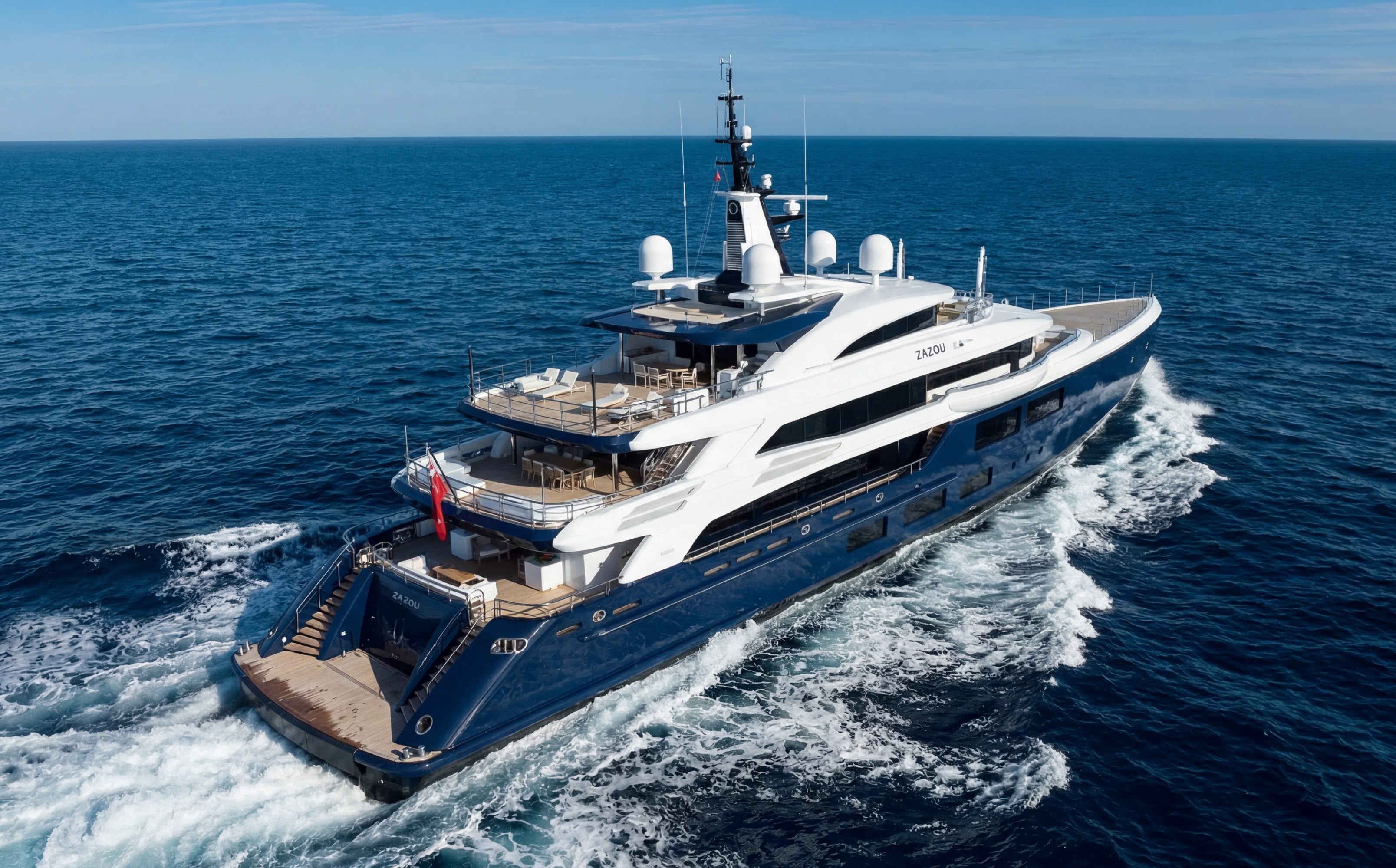
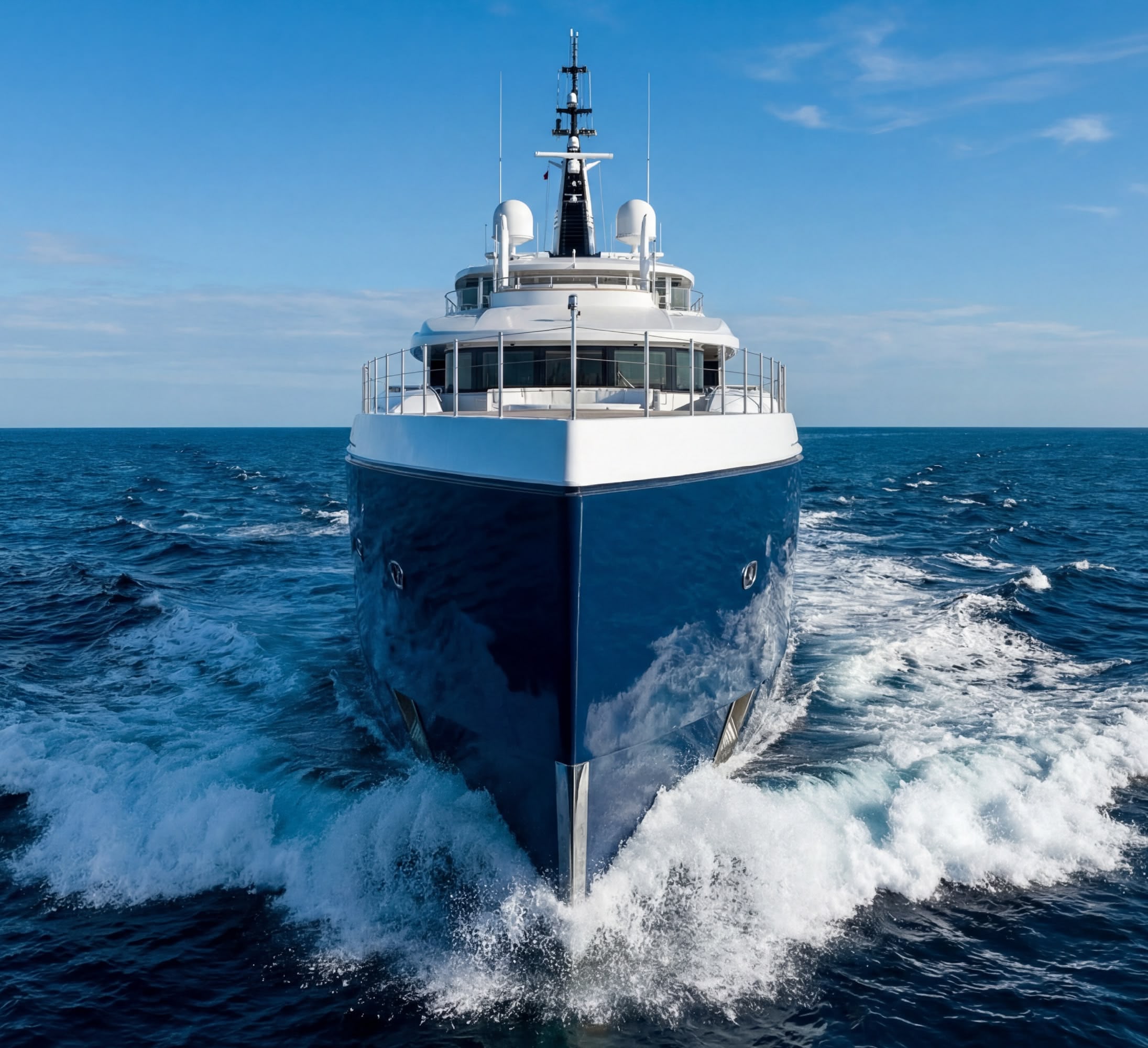
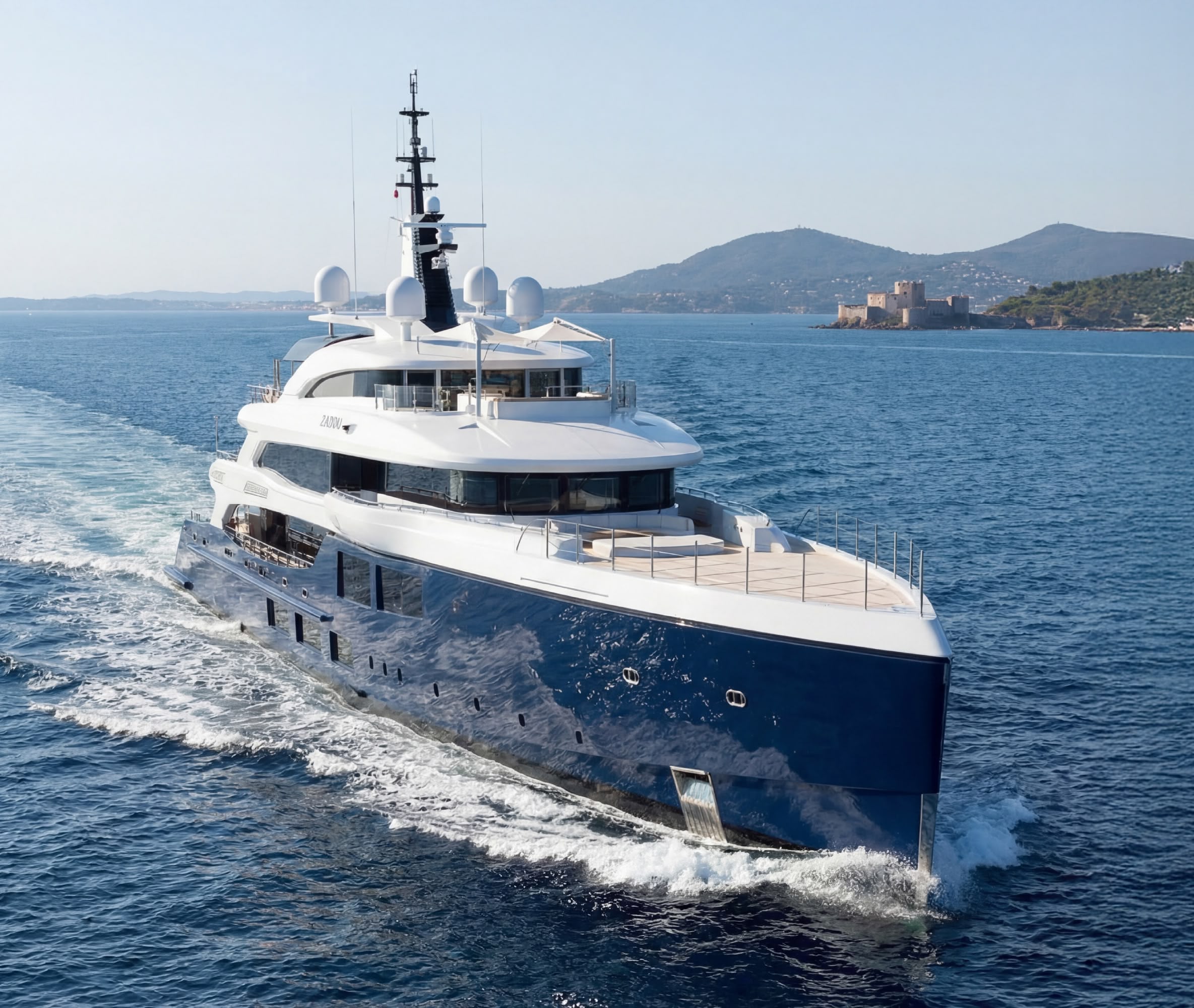
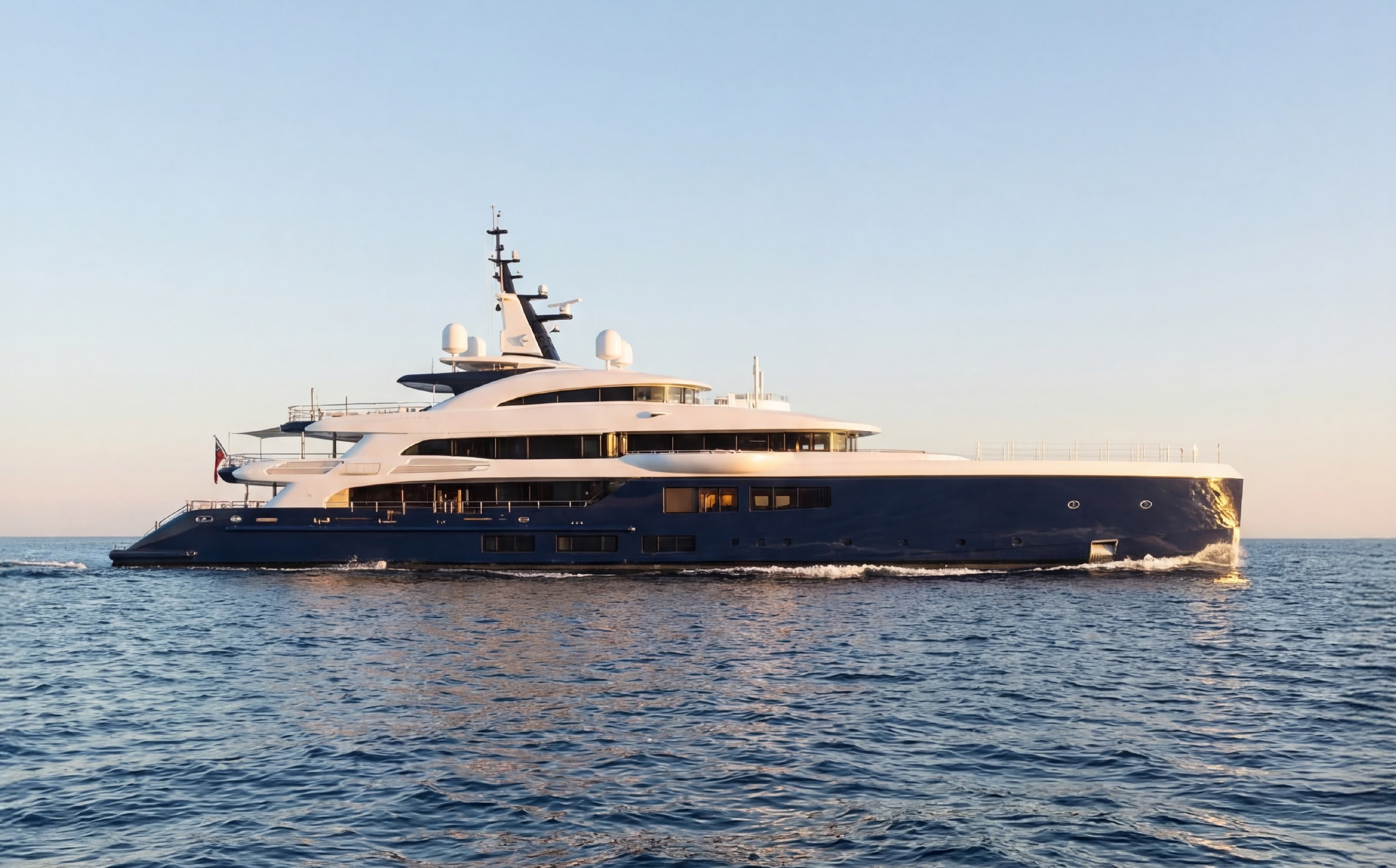
Original pictures credits: Emilie Marlcorps (exterior) and Beppe Raso (interior)
Exterior Design
Original pictures credits: Emilie Marlcorps (exterior) and Beppe Raso (interior)
Exterior Design
Original pictures credits: Emilie Marlcorps (exterior) and Beppe Raso (interior)
Interior Design
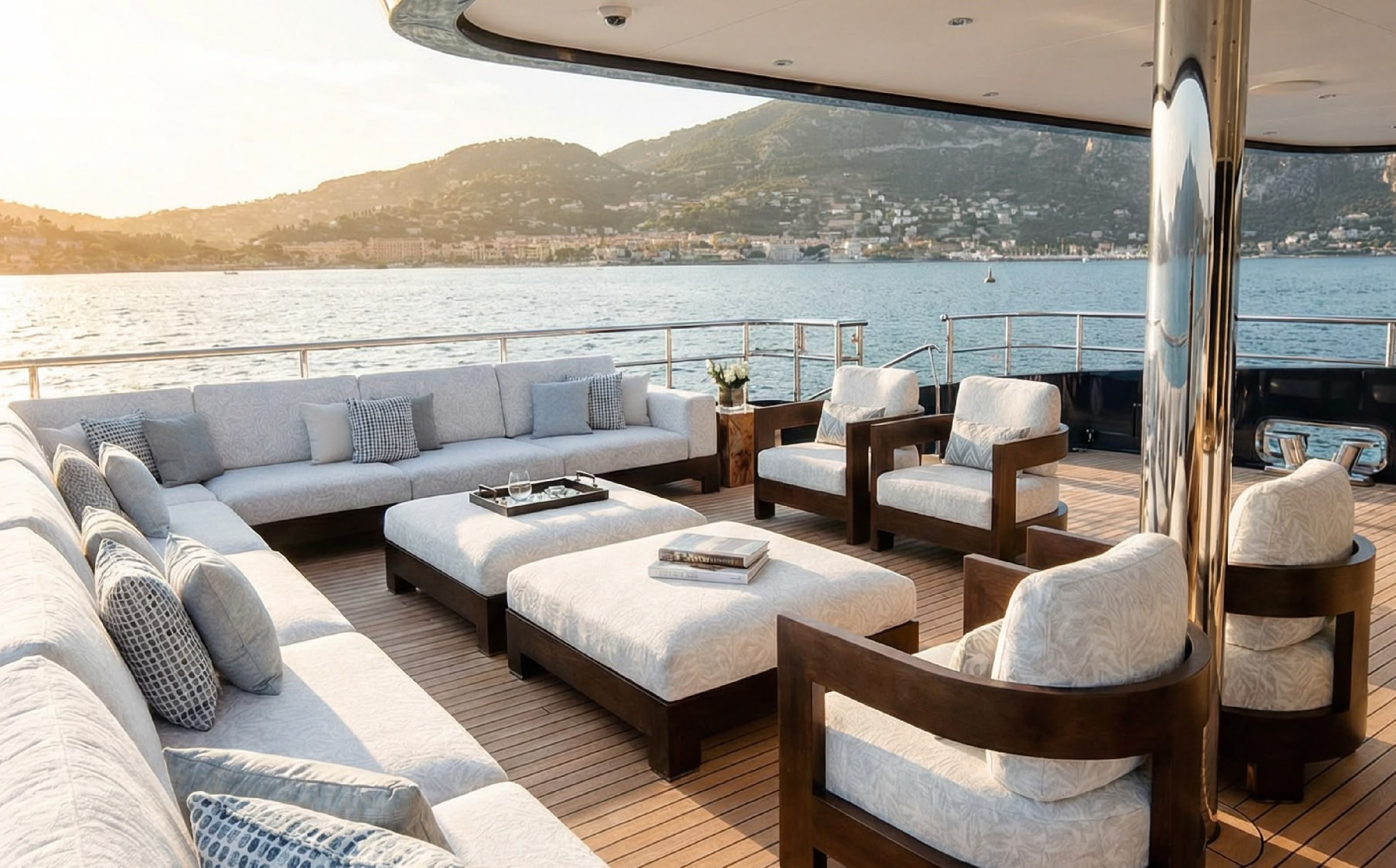
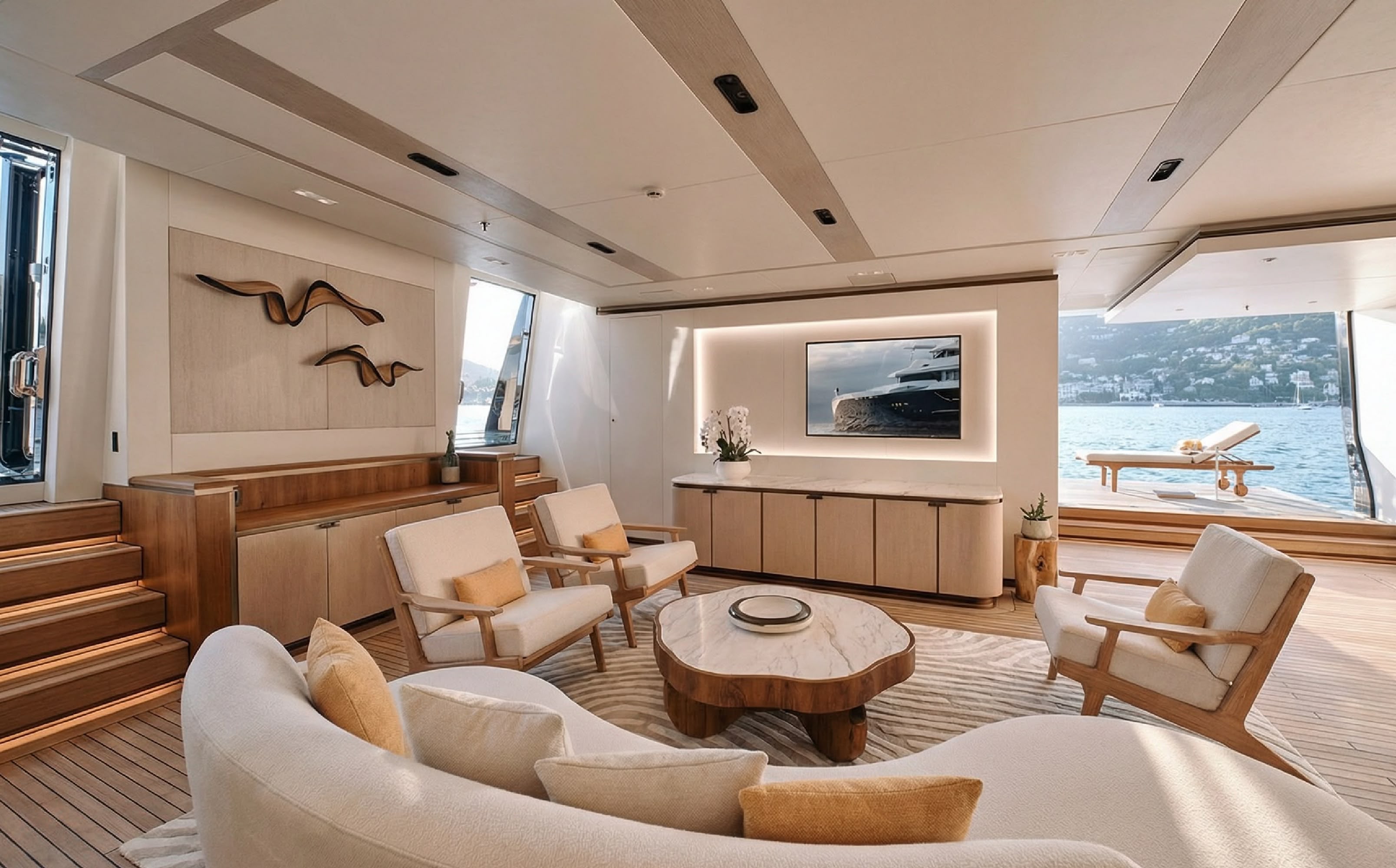
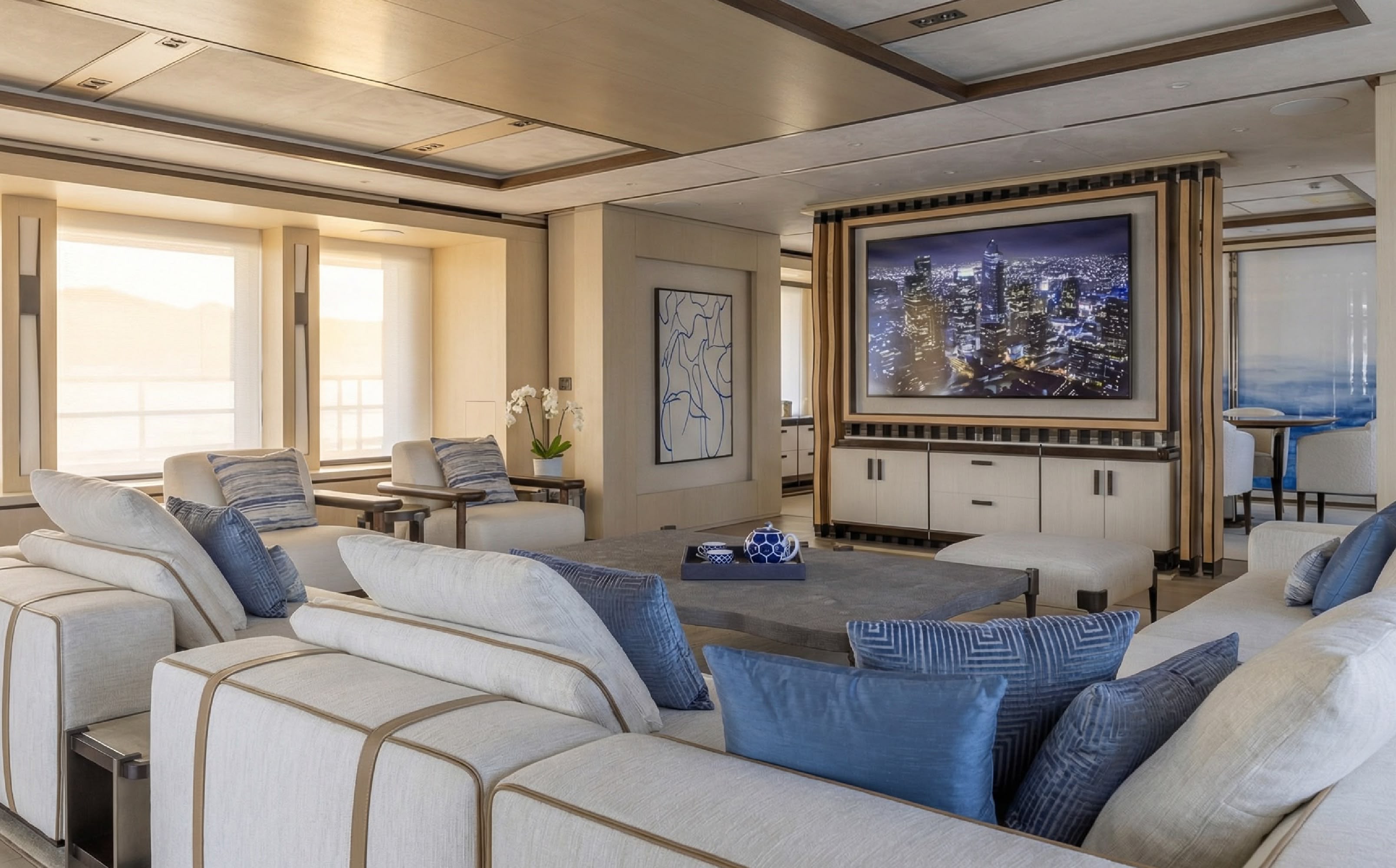
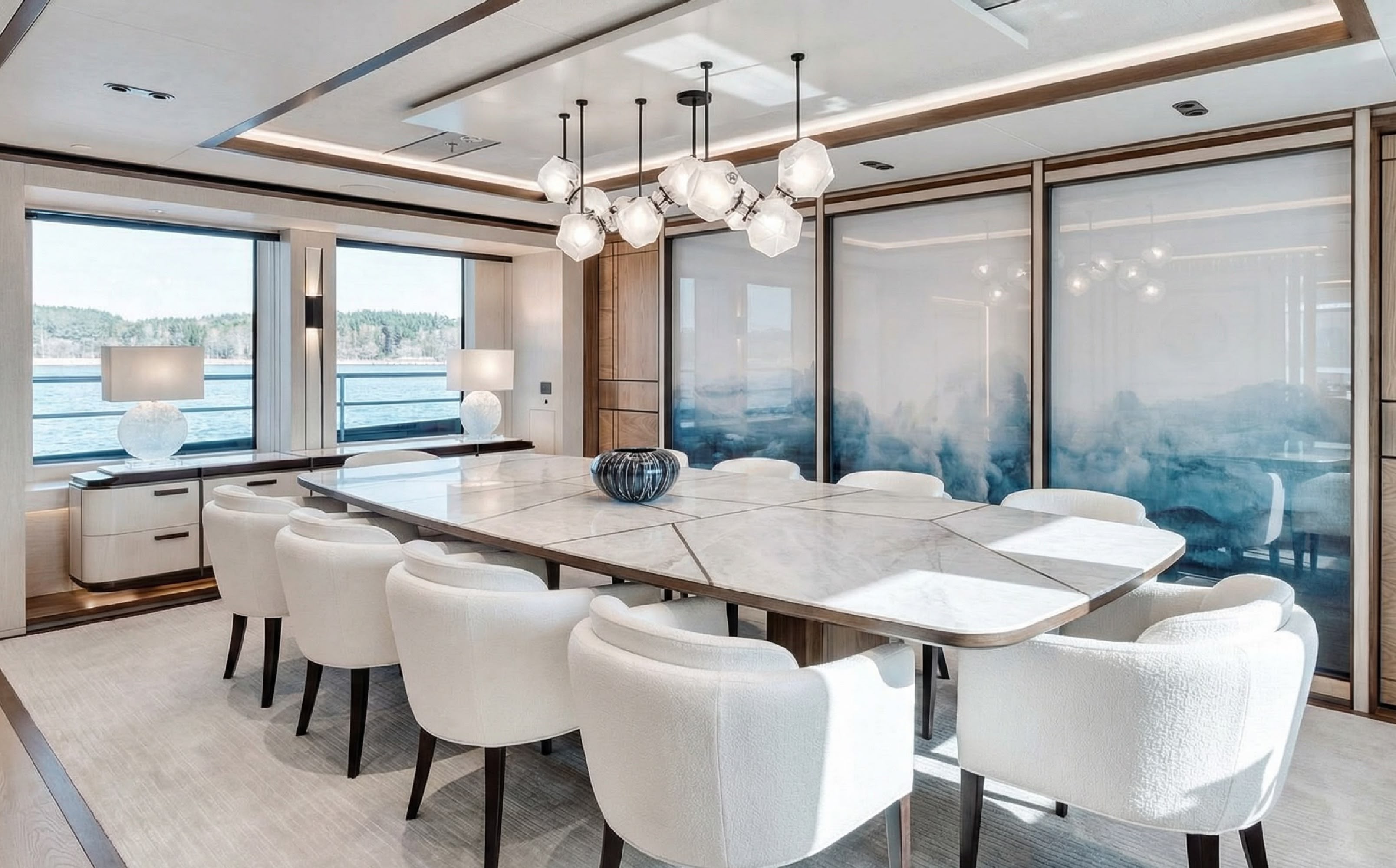
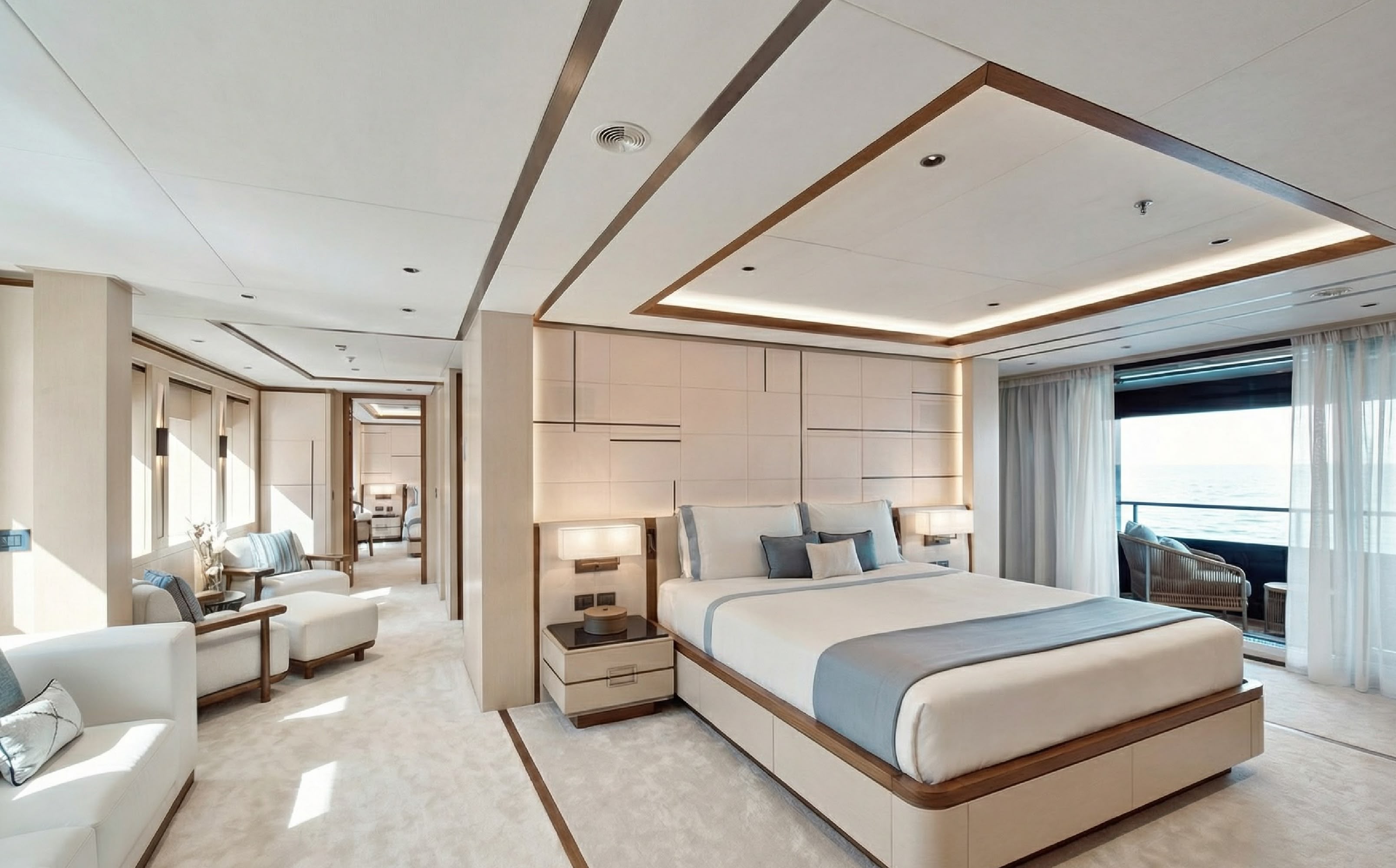
Interior Design
Interior Design
Performance
Cruising Speed
12
kn
Max Speed
16
kn
Range
5,000
nm
/
110K
L
(fuel tanks)
Propulsion
Type
Diesel
Motor yacht
Horse Power
3,700
HP
Engines info
Performance
Cruising Speed
12
kn
Max Speed
16
kn
Range
5,000
nm
/
110K
L
(fuel tanks)
Propulsion
Type
Diesel
Motor yacht
Horse Power
3,700
HP
Engines info
Rumored owner
Mohamed Mansour
Nationality
Egyptian 🇪🇬
Estimated Net Worth
$3B
See ownership history
Rumored owner
Mohamed Mansour
Nationality
Egyptian 🇪🇬
Estimated Net Worth
$3B
See ownership history
Fun Facts
🔄 BORN INTO MONEY, CAME BACK TO ZERO AND BUILT IT ALL FROM SCRATCH:
Mohamed Mansour was born in 1948 in Alexandria. He was born into the Mansour family, a dynasty that had established itself as a titan of the cotton industry. In the first half of the 20th century, Egyptian cotton was considered the finest in the world ‘white gold’ and the families who controlled its export operated with the wealth and influence of European nobility.
Mansour attended Victoria College in Alexandria. This institution was the training ground for the Middle Eastern elite.
The Egyptian Revolution of 1952, led by the Free Officers Movement and Gamal Abdel Nasser, marked the end of this era. The Nasser regime enacted sweeping nationalization decrees. The state seized the Mansour family’s cotton trading companies, their land and their assets. Overnight, one of the wealthiest families in Egypt was stripped of its economic foundation.
At the moment of nationalization, Mohamed was in the United States, enrolled at North Carolina State University to study engineering. The seizure of assets in Egypt meant that the flow of funds for his tuition and living expenses was abruptly cut off.
This era is central to Mansour’s personal development. No longer the son of a cotton king, he was a broke foreign American student. To survive, he moved out of his fraternity house into a cramped room and adopted a diet of bread and eggs. He took a job at a local pizza restaurant. He worked for $1.25 an hour as a busboy and waiter.
As if financial ruin were not enough, Mansour faced a life-threatening health crisis at age 20. He was diagnosed with kidney cancer. In the late 1960s, the prognosis for renal malignancies was grim but he ended up defeating it. That was not his first brush with medical disaster. At age 10, he had been hit by a car, shattering his leg. Doctors recommended amputation. The young Mansour refused and a surgeon agreed to a reconstruction that required him to remain bedridden for three years.
The death of Nasser in 1970 and the ascension of Anwar Sadat changed Egypt’s trajectory. Sadat introduced the Infitah (Open Door) policy, shifting Egypt from Soviet-style socialism to a market-oriented economy aligned with the West.
Mohamed returned to Egypt in 1973, shortly before the October War. Alongside his brothers Yasseen and Youssef, he began the task of rebuilding the family name. Their strategy was clear: leverage their American education and cultural fluency to become the gateway for US corporations entering the Egyptian market.
💸 WHAT ARE HIS BUSINESSES?
And that is how Mansour, under his Mansour Automotive company, became the largest distributor of General Motors vehicles in Egypt and one of the largest in the world. In Egypt, the Mansour Group historically controlled a massive market share. They did so well that they started manufacturing/assembling vehicles locally, avoiding import tariffs and boosting the local opportunities.
They manage cars, but also heavy machinery.
Under his ‘Mantrac’ company, he holds exclusive dealership rights for Caterpillar in several key territories. This means that if a government wants to build a dam in Nigeria, a highway in Ghana, or a mine in Iraq, they likely have to buy or lease the equipment from Mansour.
(A small parentheses: Mantrac historically also had a significant presence in Russia. Following the 2022 invasion of Ukraine, this became a liability and under intense political pressure in the UK (where Mansour is a citizen and political donor), the group had to wind down their Russian operations).
Mansour definitely appreciated ‘real’ and tangible businesses, but he certainly does not forget about the digital world. He established the ‘Man Capital’ company in 2010 in London, a family office that functions as a private equity and venture capital firm. They were early investors in Facebook, Uber, Spotify and Airbnb.
The Mansour Group also holds the sole franchise rights for McDonald's in Egypt, owning and operating the entire network of restaurants across the nation (90+ McDonald’s). ‘Manfoods’, his company that operates everything food-wise, operates approximately 190 restaurants across the Egyptian territory. This represents a complete monopoly on the brand within the most populous nation in the Arab world. The partnership, established in 1994, has grown to employ approximately 40’000 people (including direct and indirect labor) and relies on a supply chain that is 93% localized.
🔄 BORN INTO MONEY, CAME BACK TO ZERO AND BUILT IT ALL FROM SCRATCH:
Mohamed Mansour was born in 1948 in Alexandria. He was born into the Mansour family, a dynasty that had established itself as a titan of the cotton industry. In the first half of the 20th century, Egyptian cotton was considered the finest in the world ‘white gold’ and the families who controlled its export operated with the wealth and influence of European nobility.
Mansour attended Victoria College in Alexandria. This institution was the training ground for the Middle Eastern elite.
The Egyptian Revolution of 1952, led by the Free Officers Movement and Gamal Abdel Nasser, marked the end of this era. The Nasser regime enacted sweeping nationalization decrees. The state seized the Mansour family’s cotton trading companies, their land and their assets. Overnight, one of the wealthiest families in Egypt was stripped of its economic foundation.
At the moment of nationalization, Mohamed was in the United States, enrolled at North Carolina State University to study engineering. The seizure of assets in Egypt meant that the flow of funds for his tuition and living expenses was abruptly cut off.
This era is central to Mansour’s personal development. No longer the son of a cotton king, he was a broke foreign American student. To survive, he moved out of his fraternity house into a cramped room and adopted a diet of bread and eggs. He took a job at a local pizza restaurant. He worked for $1.25 an hour as a busboy and waiter.
As if financial ruin were not enough, Mansour faced a life-threatening health crisis at age 20. He was diagnosed with kidney cancer. In the late 1960s, the prognosis for renal malignancies was grim but he ended up defeating it. That was not his first brush with medical disaster. At age 10, he had been hit by a car, shattering his leg. Doctors recommended amputation. The young Mansour refused and a surgeon agreed to a reconstruction that required him to remain bedridden for three years.
The death of Nasser in 1970 and the ascension of Anwar Sadat changed Egypt’s trajectory. Sadat introduced the Infitah (Open Door) policy, shifting Egypt from Soviet-style socialism to a market-oriented economy aligned with the West.
Mohamed returned to Egypt in 1973, shortly before the October War. Alongside his brothers Yasseen and Youssef, he began the task of rebuilding the family name. Their strategy was clear: leverage their American education and cultural fluency to become the gateway for US corporations entering the Egyptian market.
💸 WHAT ARE HIS BUSINESSES?
And that is how Mansour, under his Mansour Automotive company, became the largest distributor of General Motors vehicles in Egypt and one of the largest in the world. In Egypt, the Mansour Group historically controlled a massive market share. They did so well that they started manufacturing/assembling vehicles locally, avoiding import tariffs and boosting the local opportunities.
They manage cars, but also heavy machinery.
Under his ‘Mantrac’ company, he holds exclusive dealership rights for Caterpillar in several key territories. This means that if a government wants to build a dam in Nigeria, a highway in Ghana, or a mine in Iraq, they likely have to buy or lease the equipment from Mansour.
(A small parentheses: Mantrac historically also had a significant presence in Russia. Following the 2022 invasion of Ukraine, this became a liability and under intense political pressure in the UK (where Mansour is a citizen and political donor), the group had to wind down their Russian operations).
Mansour definitely appreciated ‘real’ and tangible businesses, but he certainly does not forget about the digital world. He established the ‘Man Capital’ company in 2010 in London, a family office that functions as a private equity and venture capital firm. They were early investors in Facebook, Uber, Spotify and Airbnb.
The Mansour Group also holds the sole franchise rights for McDonald's in Egypt, owning and operating the entire network of restaurants across the nation (90+ McDonald’s). ‘Manfoods’, his company that operates everything food-wise, operates approximately 190 restaurants across the Egyptian territory. This represents a complete monopoly on the brand within the most populous nation in the Arab world. The partnership, established in 1994, has grown to employ approximately 40’000 people (including direct and indirect labor) and relies on a supply chain that is 93% localized.
All media not captured by this website remain the sole property of their respective owners, as credited. No licenses, copyrights, or other usage rights are granted to users of this site. All rights are reserved by the original creators.
Majority of the pictures displayed on this website are AI-generated illustrations used for visual representation purposes only. Not real pictures, unless explicitly stated otherwise. The appearance of the actual yacht may differ from those shown in the illustrations.
This page is provided for general informational purposes only and does not constitute a formal listing for sale or charter. I am not the manager, owner, nor representative of this vessel. While the data provided is gathered from publicly available sources, I cannot guarantee that all information is accurate, complete, or up to date at all times.
All media not captured by this website remain the sole property of their respective owners, as credited. No licenses, copyrights, or other usage rights are granted to users of this site. All rights are reserved by the original creators.
Majority of the pictures displayed on this website are AI-generated illustrations used for visual representation purposes only. Not real pictures, unless explicitly stated otherwise. The appearance of the actual yacht may differ from those shown in the illustrations.
This page is provided for general informational purposes only and does not constitute a formal listing for sale or charter. I am not the manager, owner, nor representative of this vessel. While the data provided is gathered from publicly available sources, I cannot guarantee that all information is accurate, complete, or up to date at all times.
The Yacht Info
Copyright © 2026 The Yacht Info
All rights reserved
The Yacht Info
Copyright © 2026 The Yacht Info
All rights reserved