OKTO
Build/code name(s):
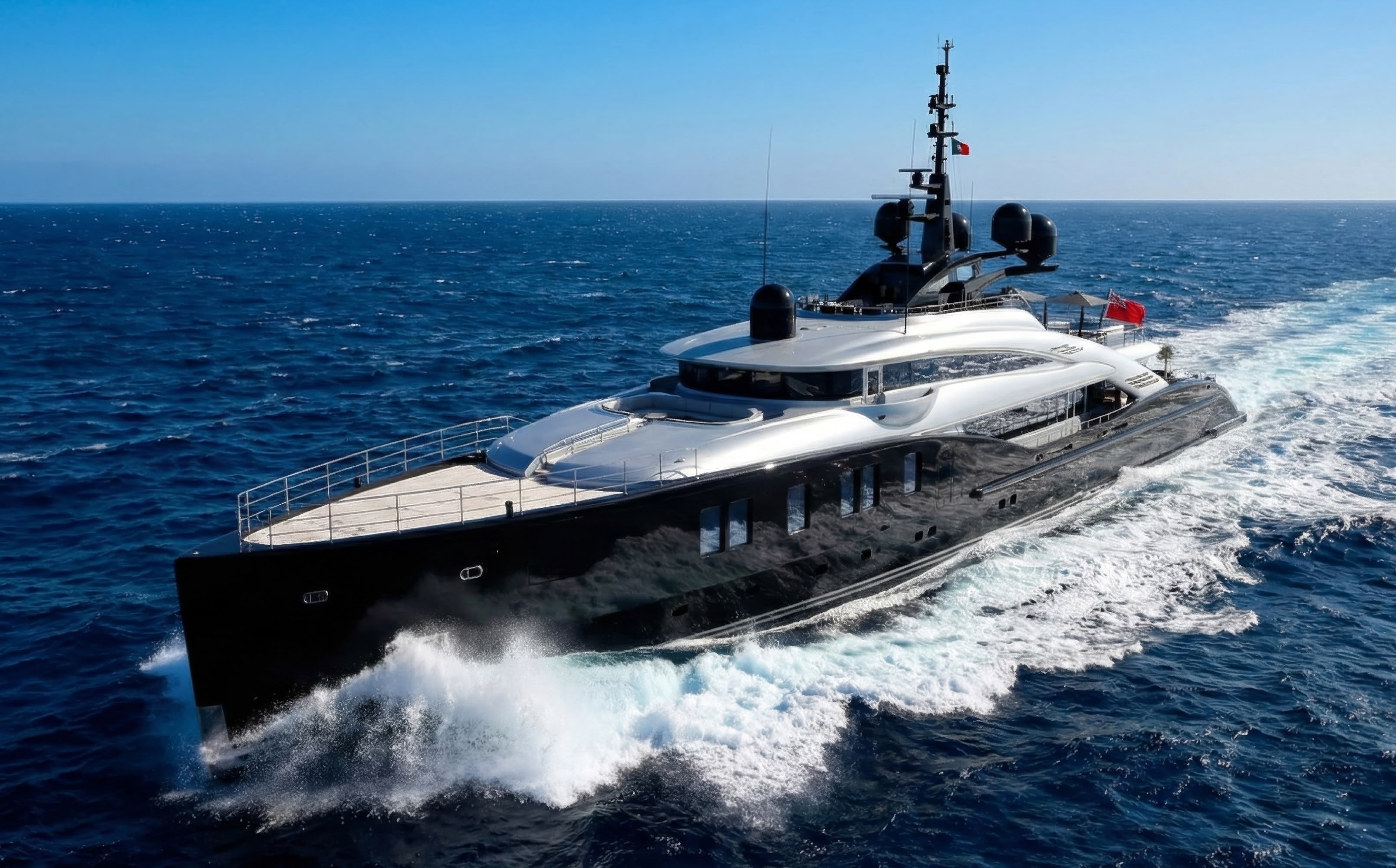
Project H / Model name: ISA Gran Turismo 66
OKTO
Build/code name(s):
Project H / Model name: ISA Gran Turismo 66
FOR CHARTER
FOR CHARTER
Length
66.4
m
/
217.8
ft
Beam
11
m
/
36
ft
Volume
1,180
GT
Guests sleeping
12
Cruising:
16
Cabins
9
Crew members
15
Main Specs
Length
66.4
m
/
217.8
ft
Beam
11
m
/
36
ft
Volume
1,180
GT
Guests sleeping
12
Cruising:
16
Cabins
9
Crew members
15
Estimated value
$45,000,000
Last sale was in 2020 made by Alex Lees-Buckley (Camper & Nicholsons International) with a last asking price of $39M
Currently available for charter
Via Y.CO
Build
Shipyard
ISA Yachts
Year
2014
Hull Type
Mono-Hull
Full displacement
Hull Material
Steel
Superstructure Material
Aluminum
Last Refit
2023
Show more about refit(s)
Categories
Build Type
1-of-1 Custom build
Based on a limited series
Custom-made
Vessel Type
Yacht
Super yacht
Categories
Build Type
1-of-1 Custom build
Based on a limited series
Custom-made
Vessel Type
Yacht
Super yacht
Design
Exterior
Andrea Vallicelli
Main Color
Black
Interior
Alberto Pinto
Amenities
Indoor cinema room
Elevator
Swim platform
Tender garage
Observation Lounge
Spa
Sauna/Steam room/Hammam
Massage room
Gym
Swimming pool
Jacuzzi
Helipad
Build
Shipyard
ISA Yachts
Year
2014
Hull Type
Mono-Hull
Full displacement
Hull Material
Steel
Superstructure Material
Aluminum
Last Refit
2023
Show more about refit(s)
Design
Exterior
Andrea Vallicelli
Main Color
Black
Interior
Alberto Pinto
Categories
Build Type
1-of-1 Custom build
Based on a limited series
Custom-made
Vessel Type
Yacht
Super yacht
Amenities
Indoor cinema room
Elevator
Swim platform
Tender garage
Observation Lounge
Spa
Sauna/Steam room/Hammam
Massage room
Gym
Swimming pool
Jacuzzi
Helipad
Exterior Design
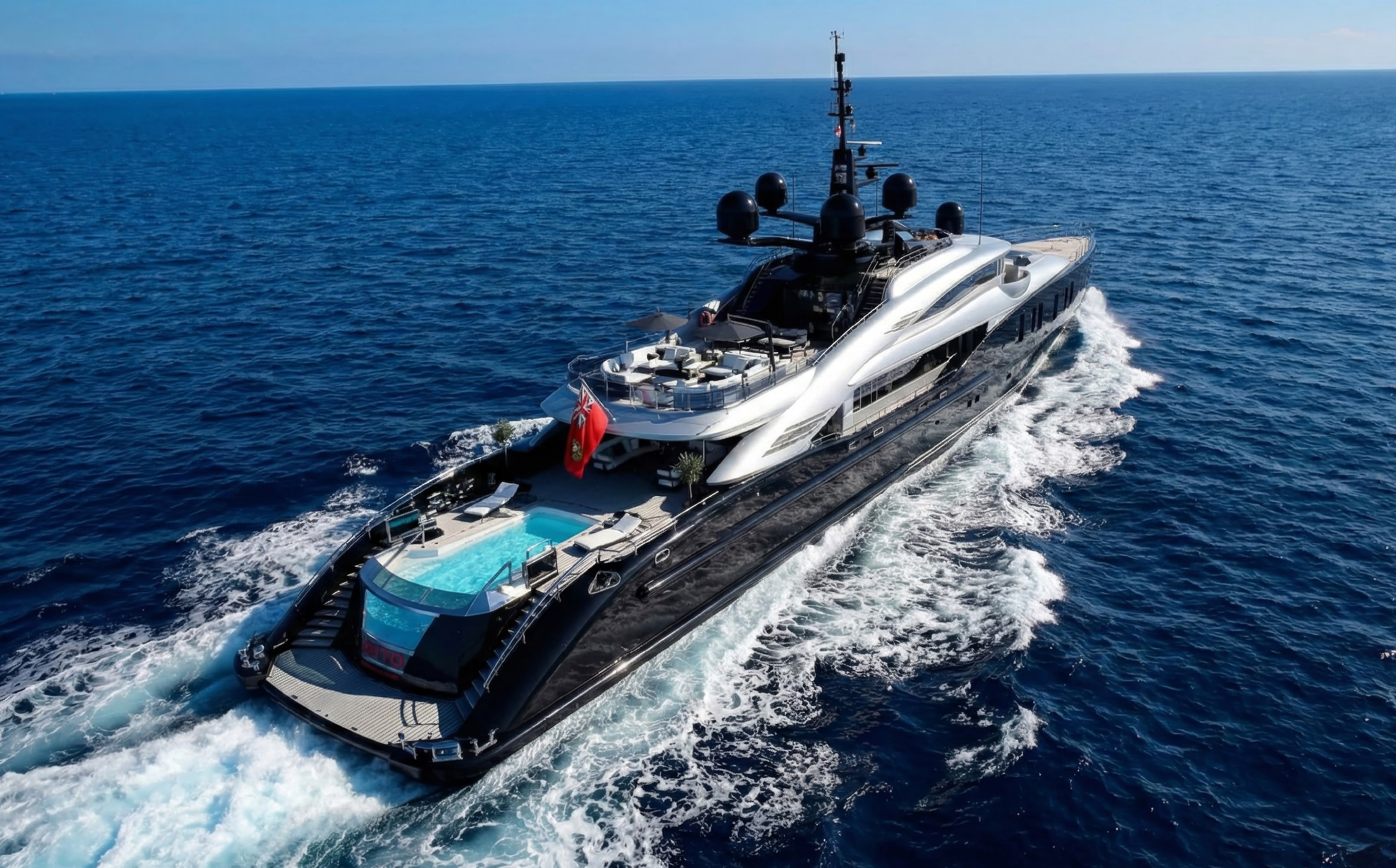
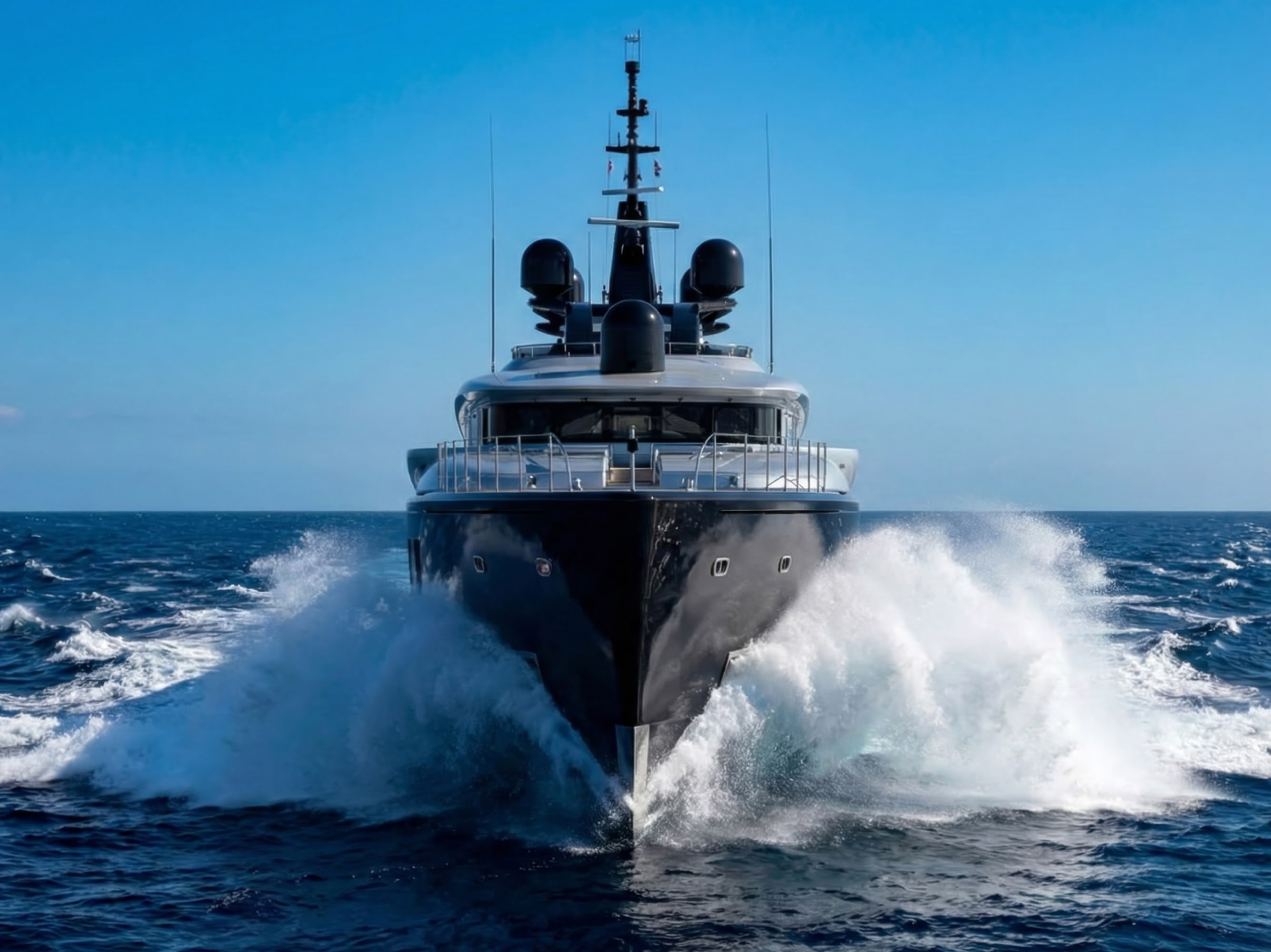
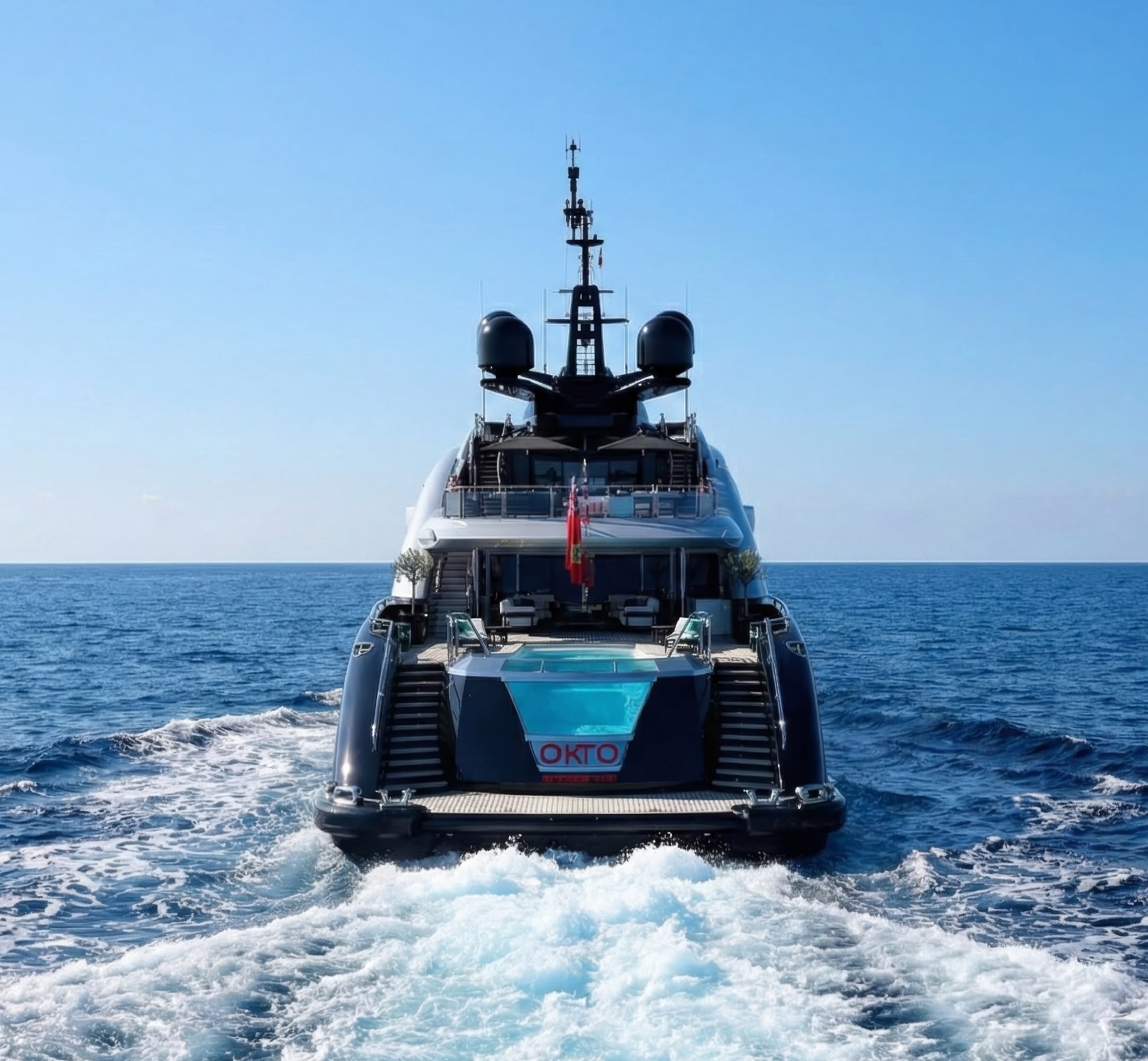
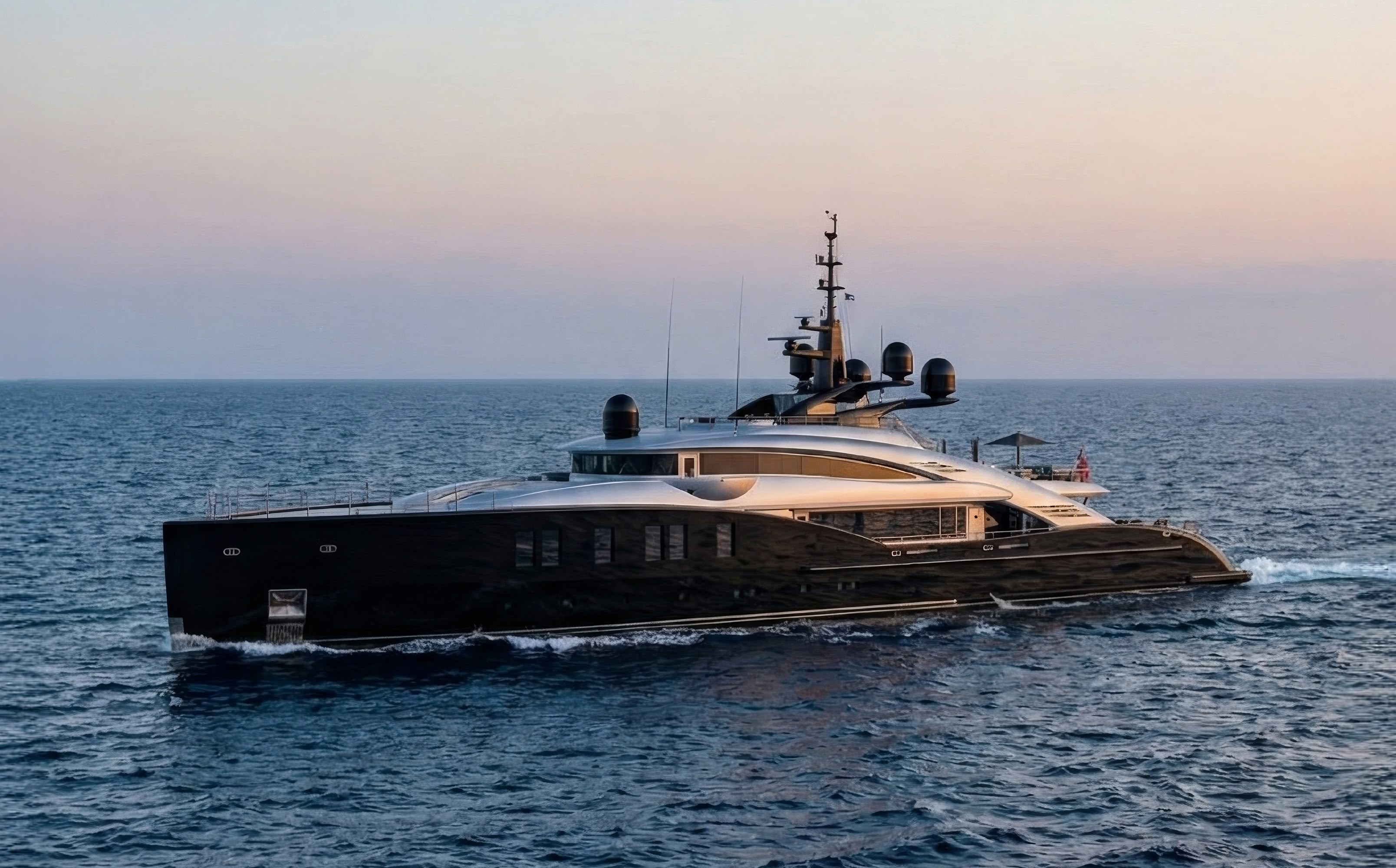
Original credits to: ISA Yachts
Exterior Design
Original credits to: ISA Yachts
Exterior Design
Original credits to: ISA Yachts
Interior Design
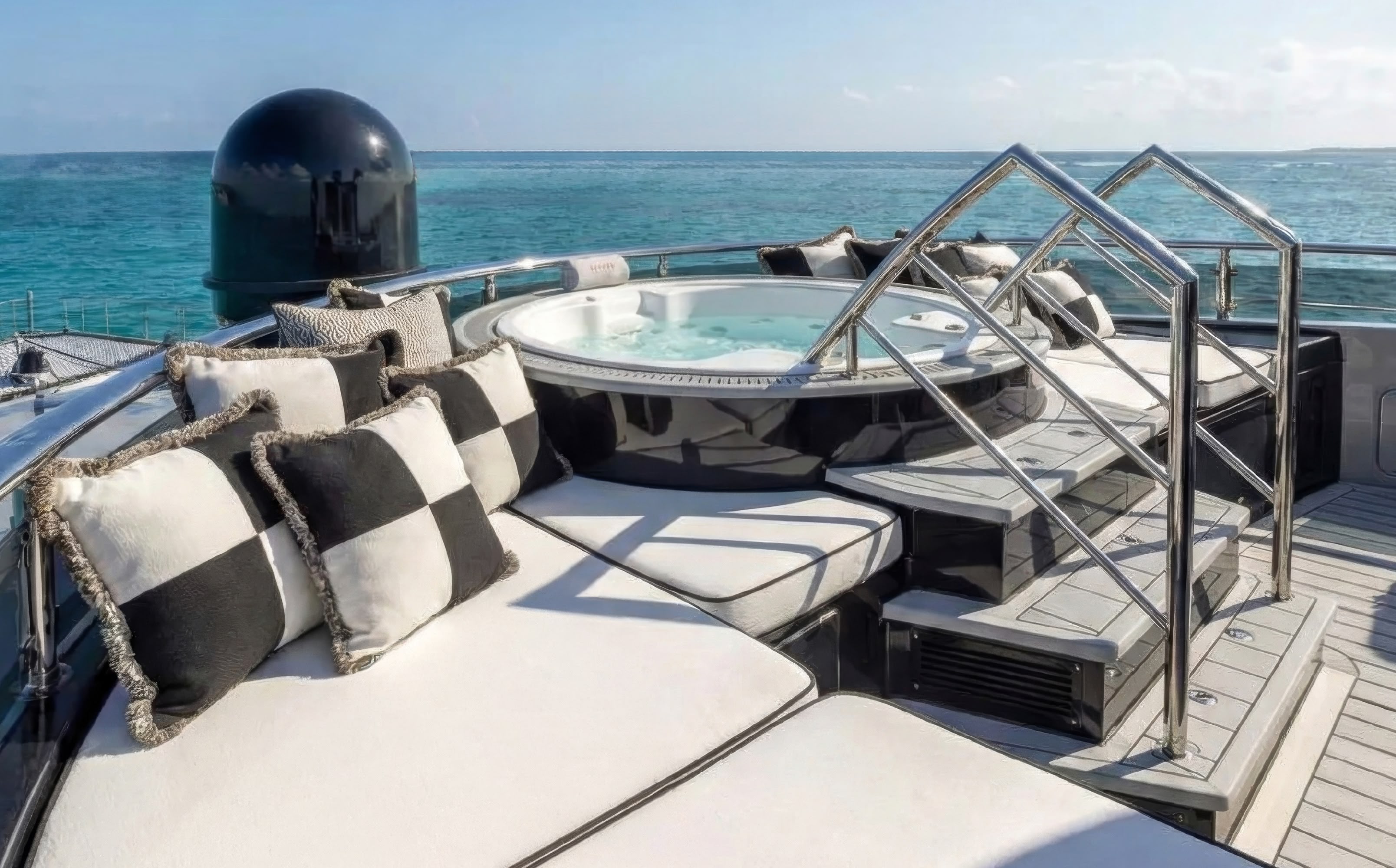
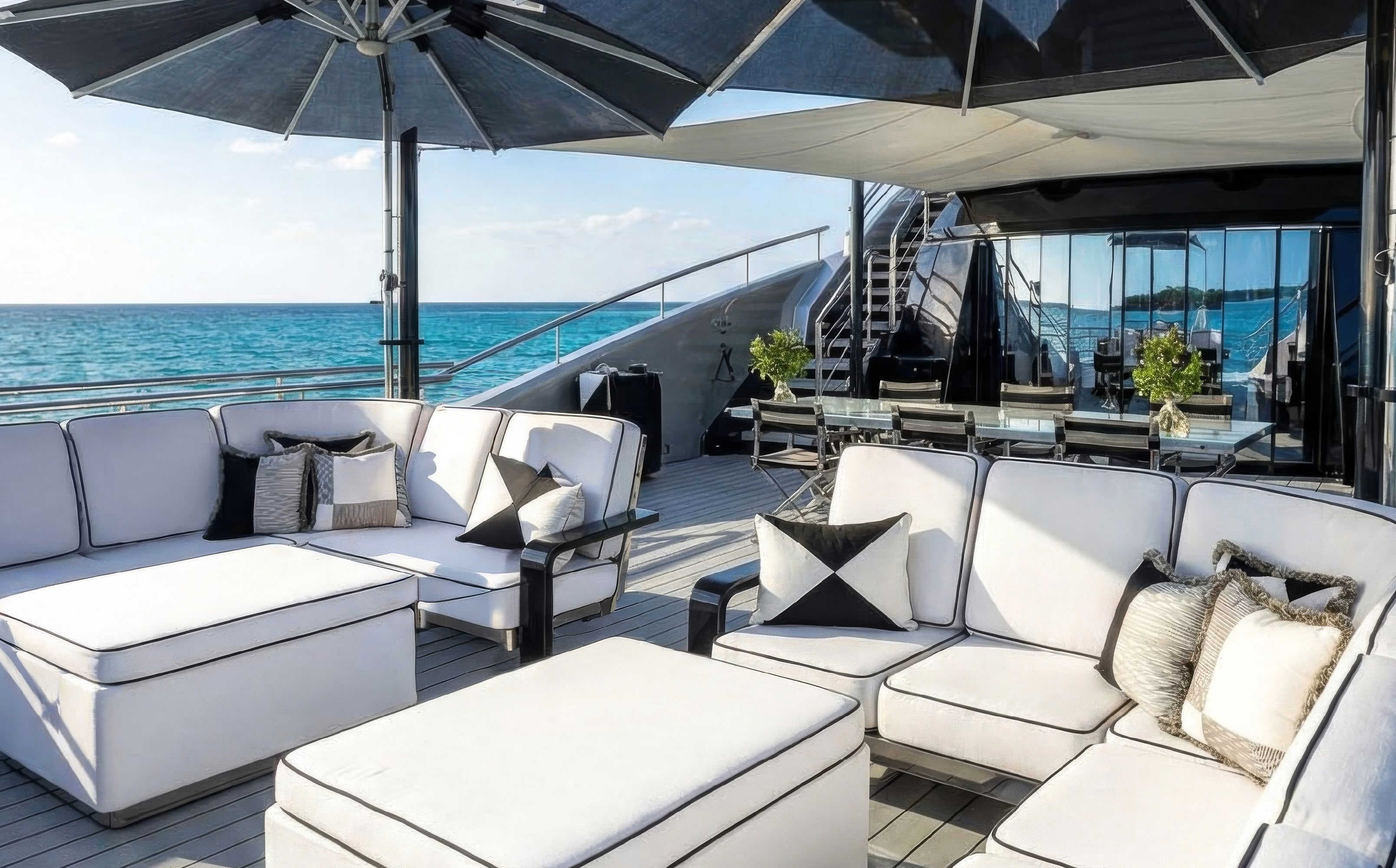
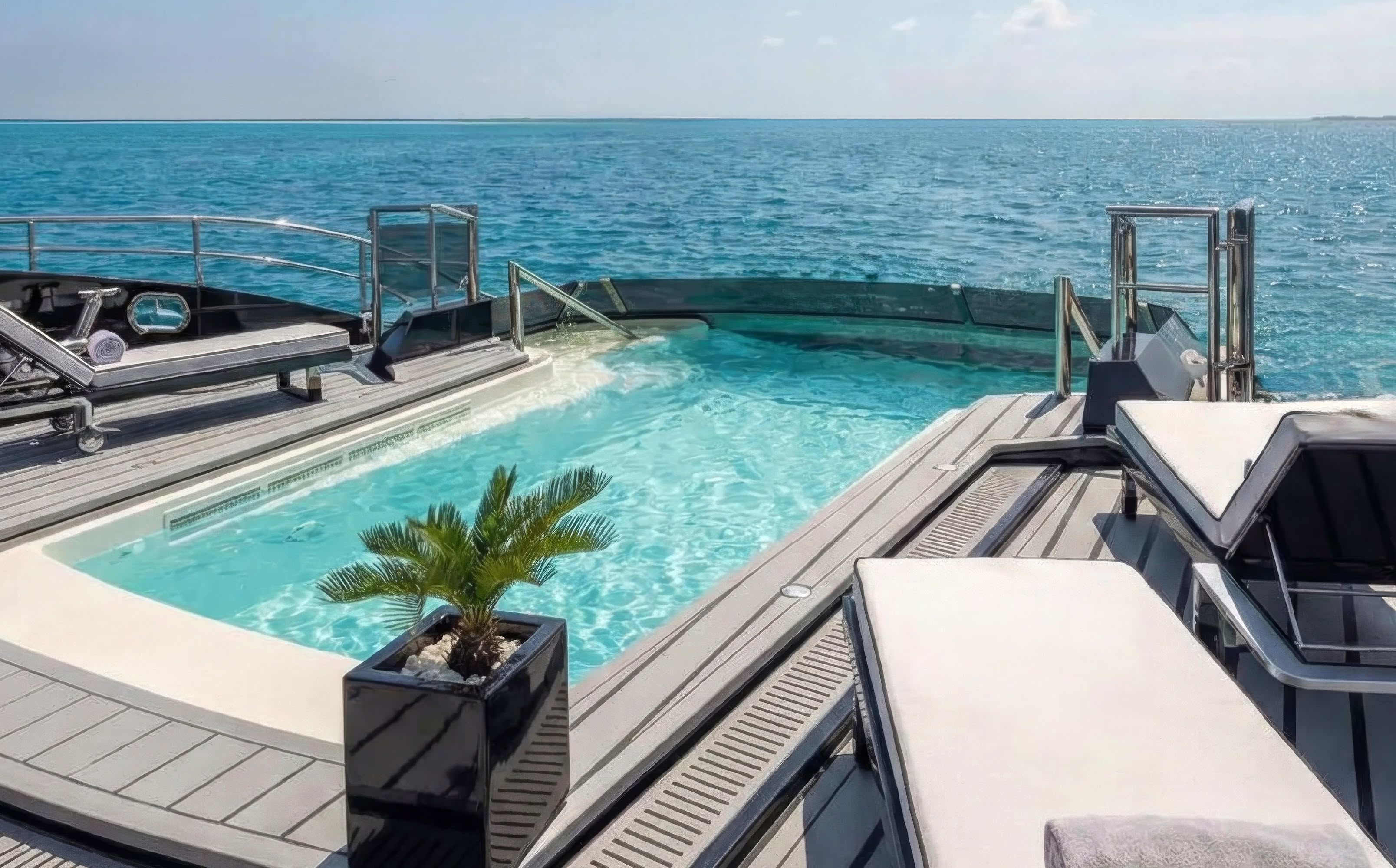
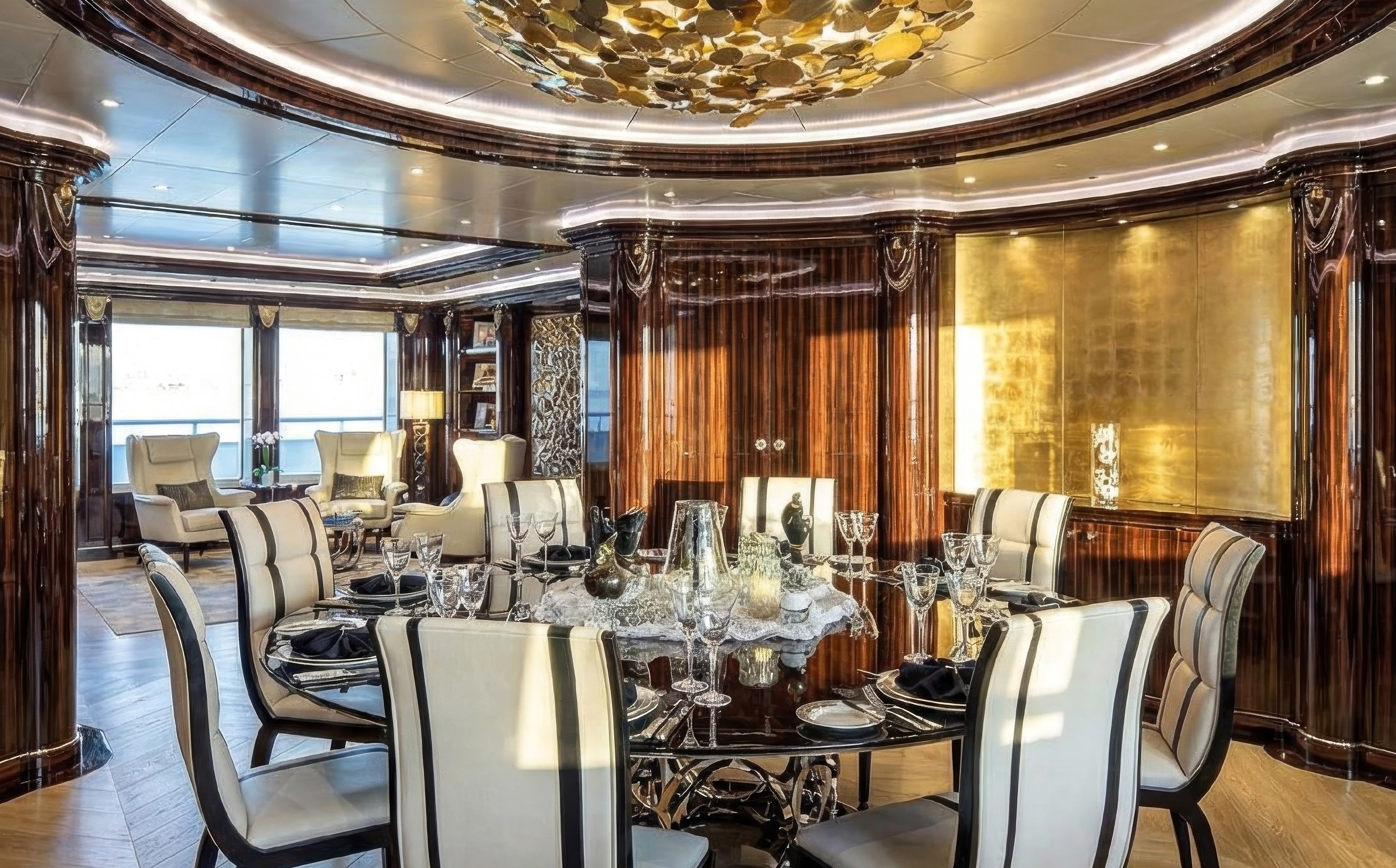
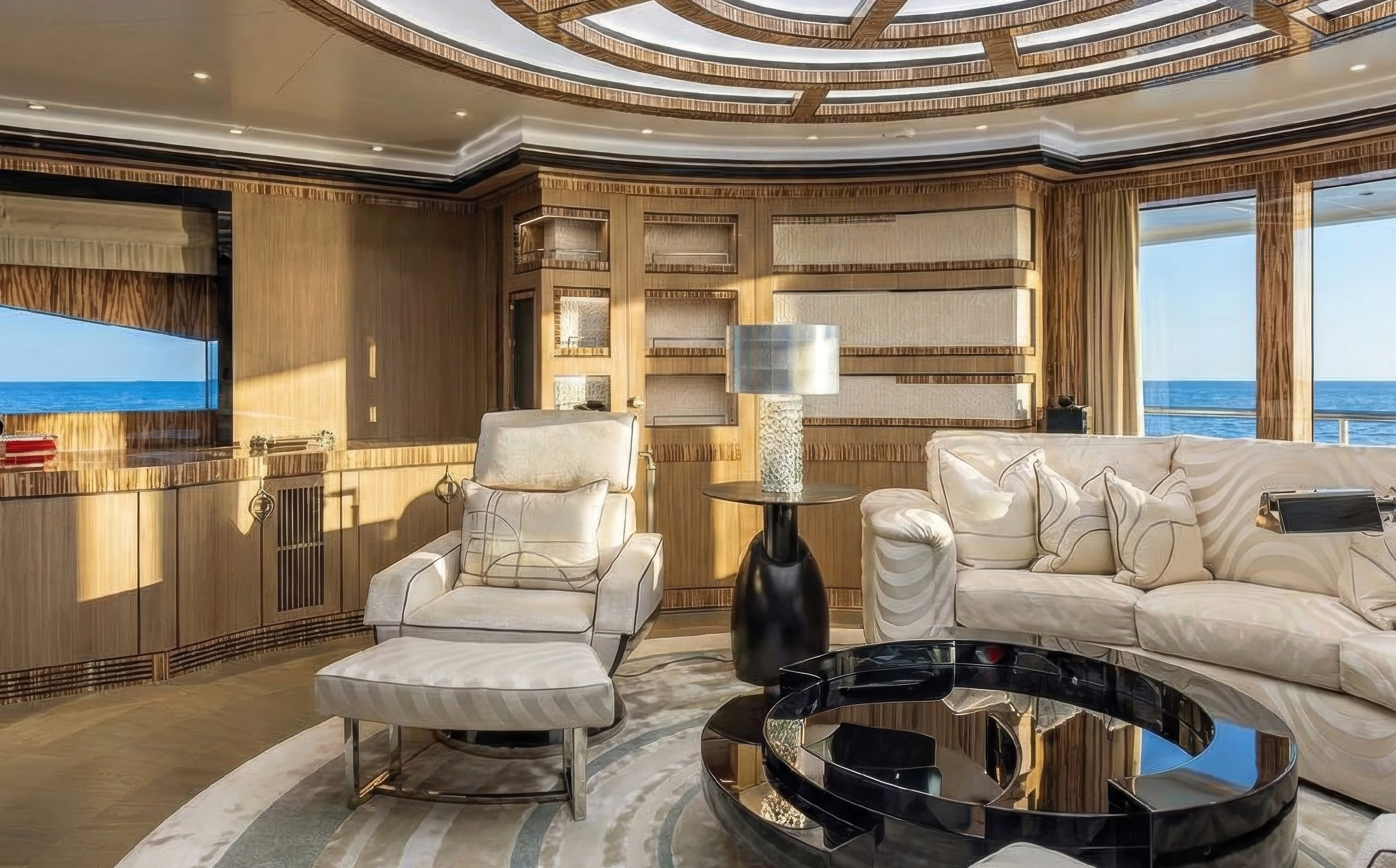
Interior Design
Interior Design
Performance
Cruising Speed
16
kn
Max Speed
18.5
kn
Range
6,800
nm
/
160K
L
(fuel tanks)
Propulsion
Type
Diesel
Motor yacht
Horse Power
4,730
HP
Engines info
Performance
Cruising Speed
16
kn
Max Speed
18.5
kn
Range
6,800
nm
/
160K
L
(fuel tanks)
Propulsion
Type
Diesel
Motor yacht
Horse Power
4,730
HP
Engines info
Owner
Unknown
Nationality
American 🇺🇸
See ownership history
Owner
Unknown
Nationality
American 🇺🇸
See ownership history
Fun Facts
📉 THE OWNER DOWNGRADED?
The yacht was built for Theodore Angelopoulos, a titan of the Greek shipping industry and founder of Metrostar Management, a leading operator of oil tankers. Angelopoulos was not a novice owner; his previous vessel was the 82-meter Oceanco ”ALFA NERO”, delivered in 2007. ”ALFA NERO” is widely regarded as one of the most influential yachts of the 21st century.
However, by 2010, Angelopoulos’s yachting philosophy had shifted. Despite the acclaim of ”ALFA NERO”, the sheer scale of an 82-meter vessel presented logistical and personal challenges. The owner reportedly expressed fatigue with the ‘floating hotel’ vibe of the larger vessel. In a revealing anecdote provided by his representative, George Mourkakos, Angelopoulos noted that he was tired of seeing ‘new people, new crew’ every time he boarded the larger boat. The rotation of a massive crew complement meant the onboard experience lacked the personal, familiar continuity he desired.
The brief for ”OKTO” was paradoxical: the owner required a significant reduction in length (down to 66 meters) to allow access to smaller, more exclusive Mediterranean harbors, yet he refused to compromise on the silence, stability, or build quality of his previous Northern European giant.
🖤 THE CHALLENGE OF THE BLACK PAINT:
Painting a steel superyacht black is one of the most difficult technical decisions an owner can make.
• Thermal gain: Black surfaces absorb up to 90% of solar radiation. On a steel hull, this creates significant thermal expansion and contraction cycles. If the underlying fairing compound (filler) has a different coefficient of thermal expansion than the steel, the paint system can delaminate or crack
• Print through: As the steel heats up, the structural ribs and frames behind the plating can become visible on the surface, creating a ‘washboard’ effect known as print-through
• HVAC load: The heat absorption significantly increases the thermal load on the yacht’s interior, requiring upsized air conditioning compressors to maintain the interior climate
• Surface perfection: High-gloss black paint acts as a perfect mirror. Any imperfection, wave, or ripple in the fairing is instantly visible. The fairing on ”Okto” had to be executed to a ‘piano finish’ standard, far exceeding the smoothness required for a white hull
To mitigate these issues, the paint system used on ”Okto” involved specialized primers and fairing compounds designed to remain flexible at high temperatures. The metallic flake in the paint also serves a functional purpose, helping to reflect a fraction of the solar energy that a flat black would absorb.
🔇 AMAZING ACOUSTIC ENGINEERING:
The most defining characteristic of ”Okto” is her acoustic signature. The owner’s brief contained explicit, penalty-backed clauses regarding noise and vibration levels. The target was to make the yacht feel stopped even when cruising at 16 knots.“Okto” ’s underbody was the subject of an exhaustive four-month tank testing regime at the MARIN facilities in the Netherlands. This is an unusually long testing period for a 66-meter yacht, underscoring the custom nature of the project.
The testing protocols included:
• Sea Keeping Analysis: Evaluating the hull's response to various wave heights and frequencies to minimize vertical acceleration (seasickness)
• Zero-Speed Stability: Testing the interaction between the hull form and the stabilizer fins while at anchor
• Aerodynamic Smoke Tests: Wind tunnel simulations were conducted to map airflow over the decks. This was critical for the aft deck pool area. The design team needed to ensure that engine exhaust gases would be carried away from the guest spaces regardless of wind angle and that the ‘al fresco’ dining areas would remain ‘fresco’ (you have to know Italian to understand this joke)
To achieve this, the engineering team employed a ’box-in-box’ construction method for the accommodation areas, where cabins are essentially floating modules isolated from the steel structure of the hull. Resilient mounts were used for all rotating machinery and the piping systems were flexibly mounted to prevent structural-borne noise transmission.
The ‘toilet flush" anecdote: The owner’s representative, George Mourkakos, brought a journalist to the lower deck guest cabins - the area typically most susceptible to engine noise due to its proximity to the machinery spaces. While the yacht was underway with engines running at high load (nearly 5’000 horsepower active), Mourkakos stood in one cabin and the journalist in the adjacent one. The sound level was so low that the journalist assumed they were stationary. To prove the soundproofing between cabins, Mourkakos went into the next room, closed the door and flushed the toilet. Despite being separated by only a single bulkhead, the journalist heard absolutely nothing. This confirmed that the isolation was not just effective against engine noise, but also against domestic noise transfer.
The ‘door test’ anecdote: A second anecdote illustrating the door sealing technology involves the Master Suite. The doors on ”Okto” are massive, weighing 120 kilograms each to provide mass-damping against sound. They feature automatic rubber drop-seals that deploy when the door closes. During a demonstration, Aretha Franklin music was played at 70% volume in the owner's study. When the heavy door to the sleeping quarters was swung shut, the music was ‘instantly muted’, rendering the bedroom entirely silent.
🎨 ALBERTO PINTO’S FINAL WORK:
The interior of ”OKTO” was among the final projects overseen by the renowned French designer Alberto Pinto before his death. The studio, subsequently led by his sister Linda Pinto, delivered an interior that strictly adheres to the ‘simple yet dynamic’ brief. The layout emphasizes a seamless flow between the exterior and interior, facilitated by massive glass doors in the main salon that open to a width of five meters, dissolving the barrier between the aft deck pool and the main lounge.
The interior aesthetic is monochromatic, relying on texture and sheen rather than color for visual interest. The materials list is a study in light manipulation:
• Whitened Sycamore: This pale wood is the dominant veneer in the owner’s suite. It is finished with a high-gloss varnish that reflects natural light, maximizing the brightness of the space
• Lacquered Surfaces: Dark woods in the common areas are treated with deep gloss lacquers, creating reflective surfaces that mirror the sea
• Stainless Steel: Polished steel detailing frames the joinery, adding a sharp, industrial precision that matches the exterior profile
• Mirrors: Extensive use of floor-to-ceiling mirrors in corridors and cabins visually doubles the width of the spaces (+)
📉 THE OWNER DOWNGRADED?
The yacht was built for Theodore Angelopoulos, a titan of the Greek shipping industry and founder of Metrostar Management, a leading operator of oil tankers. Angelopoulos was not a novice owner; his previous vessel was the 82-meter Oceanco ”ALFA NERO”, delivered in 2007. ”ALFA NERO” is widely regarded as one of the most influential yachts of the 21st century.
However, by 2010, Angelopoulos’s yachting philosophy had shifted. Despite the acclaim of ”ALFA NERO”, the sheer scale of an 82-meter vessel presented logistical and personal challenges. The owner reportedly expressed fatigue with the ‘floating hotel’ vibe of the larger vessel. In a revealing anecdote provided by his representative, George Mourkakos, Angelopoulos noted that he was tired of seeing ‘new people, new crew’ every time he boarded the larger boat. The rotation of a massive crew complement meant the onboard experience lacked the personal, familiar continuity he desired.
The brief for ”OKTO” was paradoxical: the owner required a significant reduction in length (down to 66 meters) to allow access to smaller, more exclusive Mediterranean harbors, yet he refused to compromise on the silence, stability, or build quality of his previous Northern European giant.
🔇 AMAZING ACOUSTIC ENGINEERING:
The most defining characteristic of ”Okto” is her acoustic signature. The owner’s brief contained explicit, penalty-backed clauses regarding noise and vibration levels. The target was to make the yacht feel stopped even when cruising at 16 knots.“Okto” ’s underbody was the subject of an exhaustive four-month tank testing regime at the MARIN facilities in the Netherlands. This is an unusually long testing period for a 66-meter yacht, underscoring the custom nature of the project.
The testing protocols included:
• Sea Keeping Analysis: Evaluating the hull's response to various wave heights and frequencies to minimize vertical acceleration (seasickness)
• Zero-Speed Stability: Testing the interaction between the hull form and the stabilizer fins while at anchor
• Aerodynamic Smoke Tests: Wind tunnel simulations were conducted to map airflow over the decks. This was critical for the aft deck pool area. The design team needed to ensure that engine exhaust gases would be carried away from the guest spaces regardless of wind angle and that the ‘al fresco’ dining areas would remain ‘fresco’ (you have to know Italian to understand this joke)
To achieve this, the engineering team employed a ’box-in-box’ construction method for the accommodation areas, where cabins are essentially floating modules isolated from the steel structure of the hull. Resilient mounts were used for all rotating machinery and the piping systems were flexibly mounted to prevent structural-borne noise transmission.
The ‘toilet flush" anecdote: The owner’s representative, George Mourkakos, brought a journalist to the lower deck guest cabins - the area typically most susceptible to engine noise due to its proximity to the machinery spaces. While the yacht was underway with engines running at high load (nearly 5’000 horsepower active), Mourkakos stood in one cabin and the journalist in the adjacent one. The sound level was so low that the journalist assumed they were stationary. To prove the soundproofing between cabins, Mourkakos went into the next room, closed the door and flushed the toilet. Despite being separated by only a single bulkhead, the journalist heard absolutely nothing. This confirmed that the isolation was not just effective against engine noise, but also against domestic noise transfer.
The ‘door test’ anecdote: A second anecdote illustrating the door sealing technology involves the Master Suite. The doors on ”Okto” are massive, weighing 120 kilograms each to provide mass-damping against sound. They feature automatic rubber drop-seals that deploy when the door closes. During a demonstration, Aretha Franklin music was played at 70% volume in the owner's study. When the heavy door to the sleeping quarters was swung shut, the music was ‘instantly muted’, rendering the bedroom entirely silent.
🖤 THE CHALLENGE OF THE BLACK PAINT:
Painting a steel superyacht black is one of the most difficult technical decisions an owner can make.
• Thermal gain: Black surfaces absorb up to 90% of solar radiation. On a steel hull, this creates significant thermal expansion and contraction cycles. If the underlying fairing compound (filler) has a different coefficient of thermal expansion than the steel, the paint system can delaminate or crack
• Print through: As the steel heats up, the structural ribs and frames behind the plating can become visible on the surface, creating a ‘washboard’ effect known as print-through
• HVAC load: The heat absorption significantly increases the thermal load on the yacht’s interior, requiring upsized air conditioning compressors to maintain the interior climate
• Surface perfection: High-gloss black paint acts as a perfect mirror. Any imperfection, wave, or ripple in the fairing is instantly visible. The fairing on ”Okto” had to be executed to a ‘piano finish’ standard, far exceeding the smoothness required for a white hull
To mitigate these issues, the paint system used on ”Okto” involved specialized primers and fairing compounds designed to remain flexible at high temperatures. The metallic flake in the paint also serves a functional purpose, helping to reflect a fraction of the solar energy that a flat black would absorb.
🎨 ALBERTO PINTO’S FINAL WORK:
The interior of ”OKTO” was among the final projects overseen by the renowned French designer Alberto Pinto before his death. The studio, subsequently led by his sister Linda Pinto, delivered an interior that strictly adheres to the ‘simple yet dynamic’ brief. The layout emphasizes a seamless flow between the exterior and interior, facilitated by massive glass doors in the main salon that open to a width of five meters, dissolving the barrier between the aft deck pool and the main lounge.
The interior aesthetic is monochromatic, relying on texture and sheen rather than color for visual interest. The materials list is a study in light manipulation:
• Whitened Sycamore: This pale wood is the dominant veneer in the owner’s suite. It is finished with a high-gloss varnish that reflects natural light, maximizing the brightness of the space
• Lacquered Surfaces: Dark woods in the common areas are treated with deep gloss lacquers, creating reflective surfaces that mirror the sea
• Stainless Steel: Polished steel detailing frames the joinery, adding a sharp, industrial precision that matches the exterior profile
• Mirrors: Extensive use of floor-to-ceiling mirrors in corridors and cabins visually doubles the width of the spaces (+)
All media not captured by this website remain the sole property of their respective owners, as credited. No licenses, copyrights, or other usage rights are granted to users of this site. All rights are reserved by the original creators.
Majority of the pictures displayed on this website are AI-generated illustrations used for visual representation purposes only. Not real pictures, unless explicitly stated otherwise. The appearance of the actual yacht may differ from those shown in the illustrations.
This page is provided for general informational purposes only and does not constitute a formal listing for sale or charter. I am not the manager, owner, nor representative of this vessel. While the data provided is gathered from publicly available sources, I cannot guarantee that all information is accurate, complete, or up to date at all times.
All media not captured by this website remain the sole property of their respective owners, as credited. No licenses, copyrights, or other usage rights are granted to users of this site. All rights are reserved by the original creators.
Majority of the pictures displayed on this website are AI-generated illustrations used for visual representation purposes only. Not real pictures, unless explicitly stated otherwise. The appearance of the actual yacht may differ from those shown in the illustrations.
This page is provided for general informational purposes only and does not constitute a formal listing for sale or charter. I am not the manager, owner, nor representative of this vessel. While the data provided is gathered from publicly available sources, I cannot guarantee that all information is accurate, complete, or up to date at all times.

The Yacht Info
Copyright © 2026 The Yacht Info
All rights reserved
The Yacht Info
Copyright © 2026 The Yacht Info
All rights reserved