NO RUSH
ID#
168
Build/code name(s):
Metamorphosis / Project 596 / Project GA
Previous name(s):
AFTER YOU
NO RUSH
ID#
168
Build/code name(s):
Metamorphosis / Project 596 / Project GA
Previous name(s):
AFTER YOU
PRIVATE USE ONLY
PRIVATE USE ONLY
Length
72
m
/
236.2
ft
Beam
12.2
m
/
40
ft
Volume
2,100
GT
Guests sleeping
14
Cabins
7
Crew members
20
Main Specs
Length
72
m
/
236.2
ft
Beam
12.2
m
/
40
ft
Volume
2,100
GT
Guests sleeping
14
Cabins
7
Crew members
20
Estimated value
$180,000,000
She was last sold in an off-market transaction in December 2025
Build
Shipyard
Admiral
Year
2025
Hull Type
Mono-Hull
Full displacement
Hull Material
Steel
Superstructure Material
Aluminum
Categories
Build Type
1-of-1 Custom build
Vessel Type
Expedition/explorer yacht
Ice-class
Yacht
Super yacht
Categories
Build Type
1-of-1 Custom build
Vessel Type
Expedition/explorer yacht
Ice-class
Yacht
Super yacht
Design
Exterior
Giorgio Armani & Admiral Centro Stili
Main Color
Beige
Brown
Gold
Interior
Giorgio Armani
Amenities
Outdoor cinema
Indoor cinema room
Tender garage
Observation Lounge
Spa
Sauna/Steam room/Hammam
Massage room
Gym
Swimming pool
Jacuzzi
Helipad
Build
Shipyard
Admiral
Year
2025
Hull Type
Mono-Hull
Full displacement
Hull Material
Steel
Superstructure Material
Aluminum
Design
Exterior
Giorgio Armani & Admiral Centro Stili
Main Color
Beige
Brown
Gold
Interior
Giorgio Armani
Categories
Build Type
1-of-1 Custom build
Vessel Type
Expedition/explorer yacht
Ice-class
Yacht
Super yacht
Amenities
Outdoor cinema
Indoor cinema room
Tender garage
Observation Lounge
Spa
Sauna/Steam room/Hammam
Massage room
Gym
Swimming pool
Jacuzzi
Helipad
Exterior Design
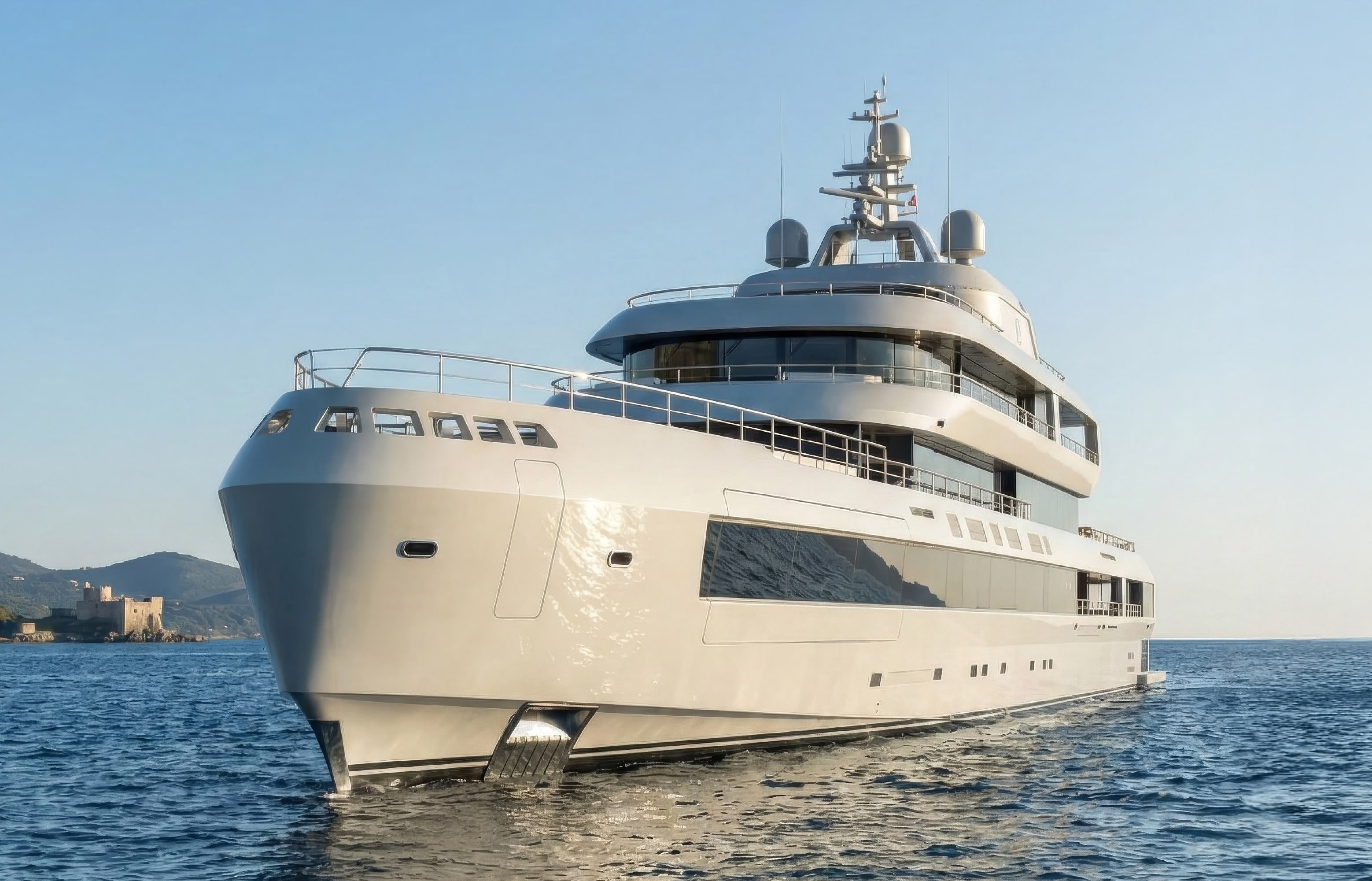
Credits to: Admiral Yachts and myself @theyachtinfo
Exterior Design
Credits to: Admiral Yachts and myself @theyachtinfo
Exterior Design
Credits to: Admiral Yachts and myself @theyachtinfo
Interior Design
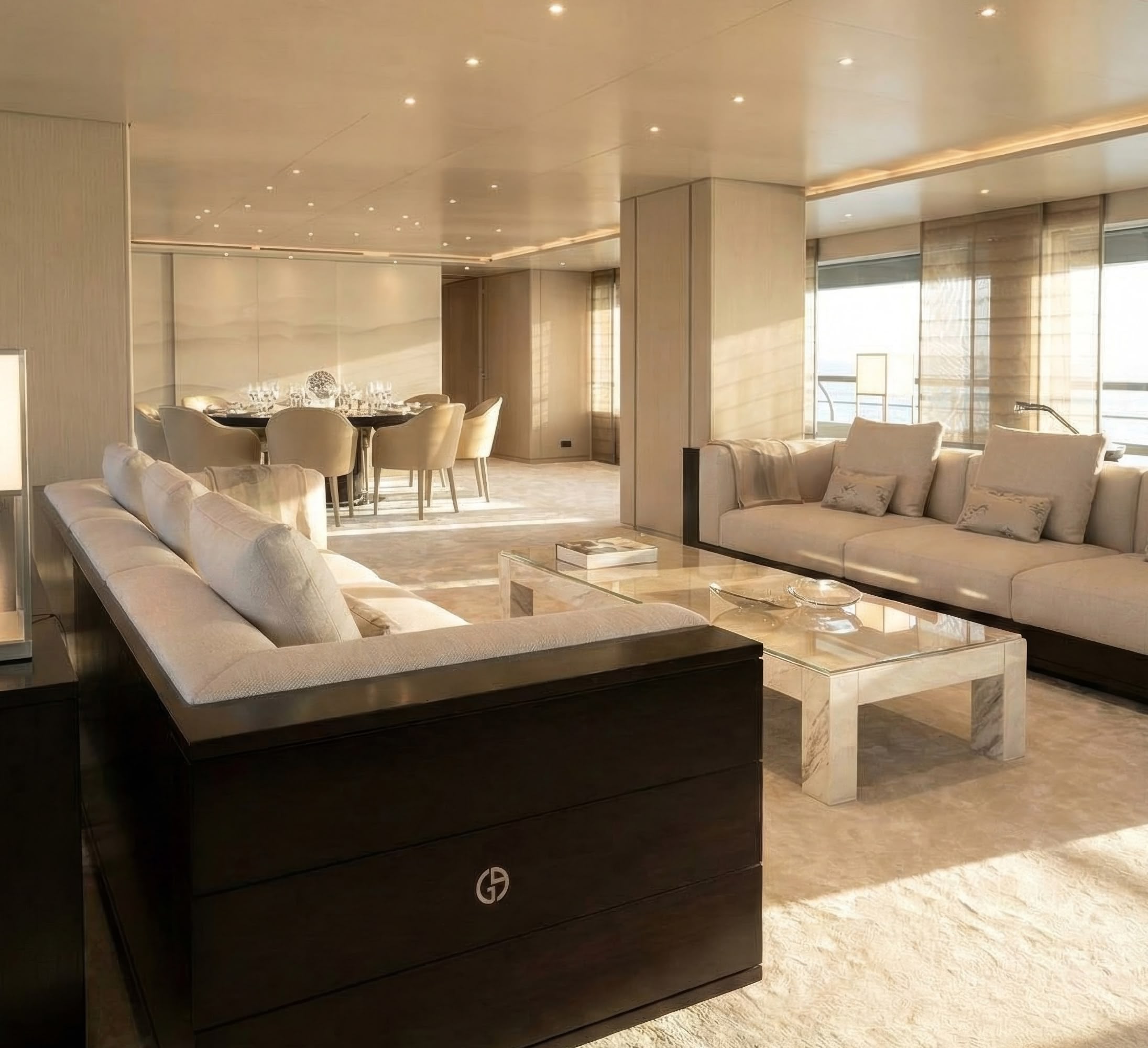
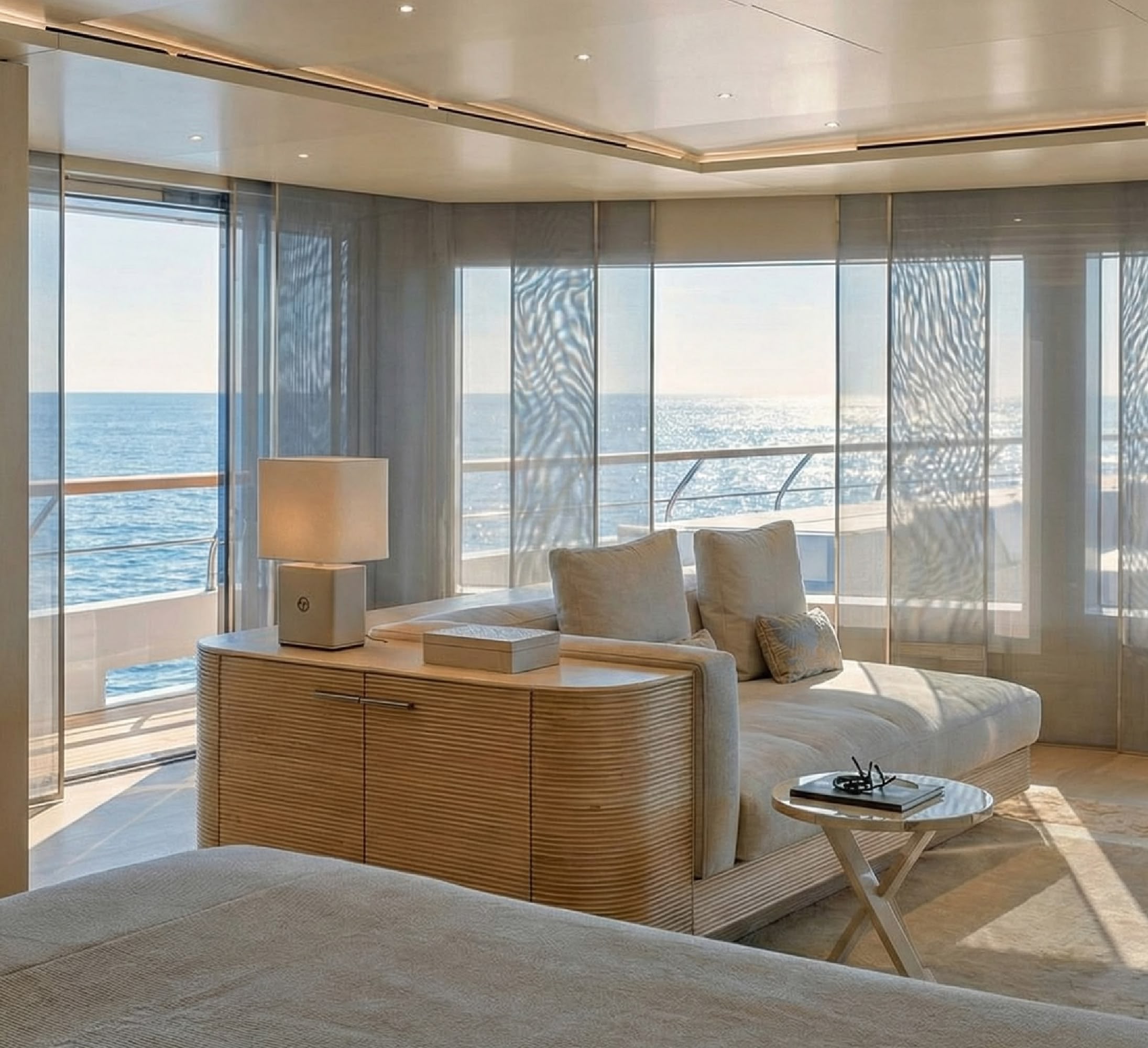
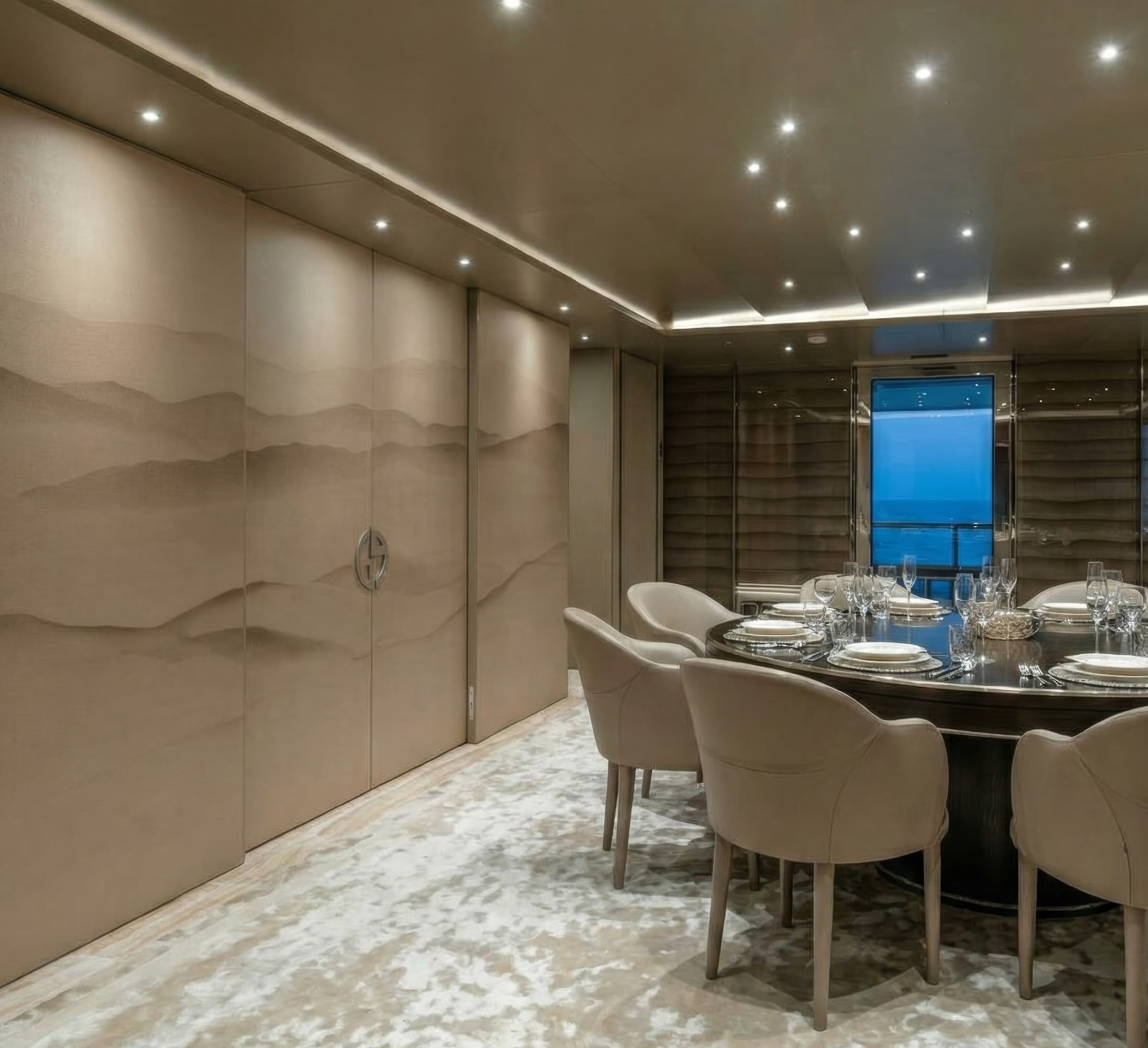
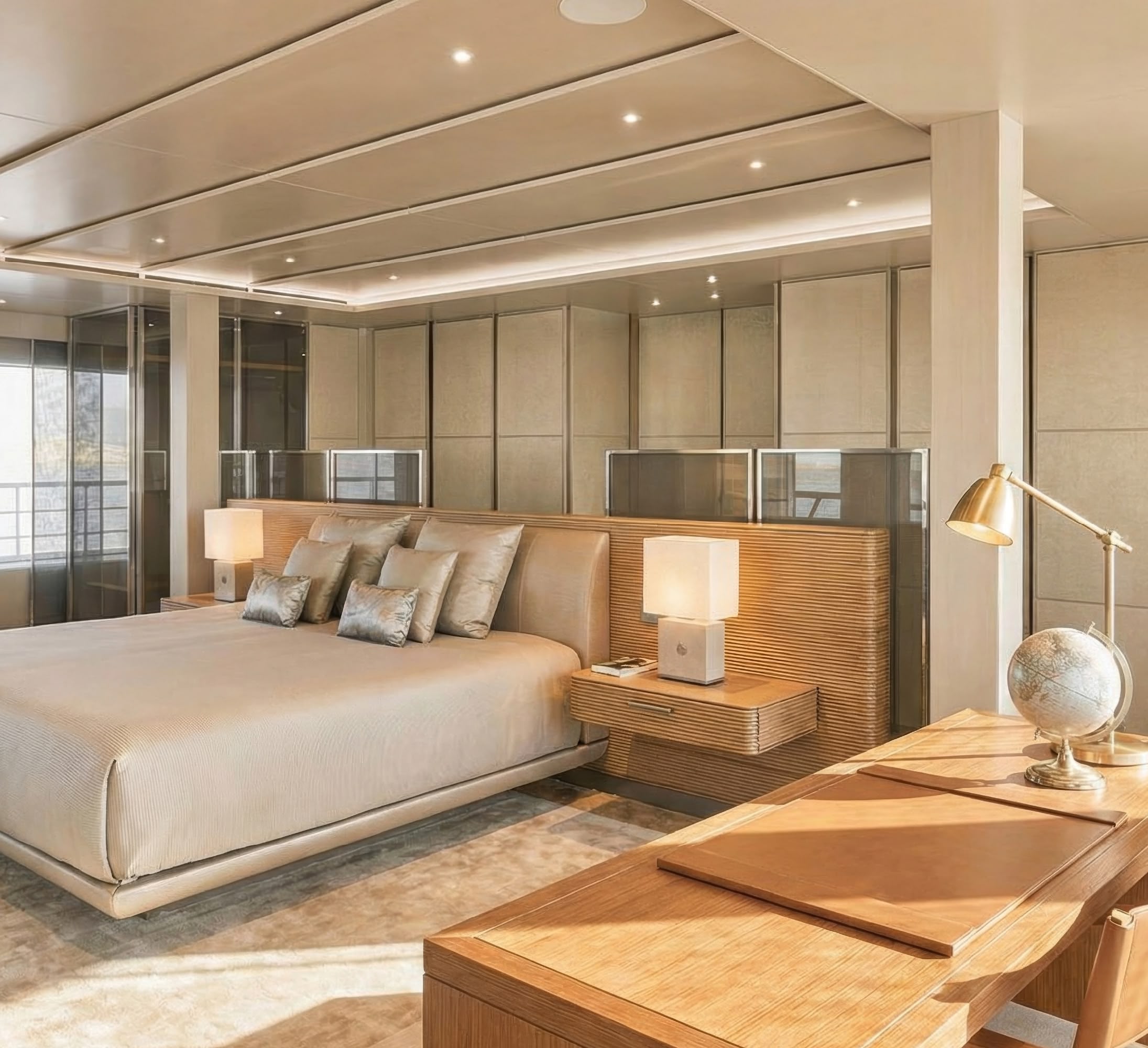
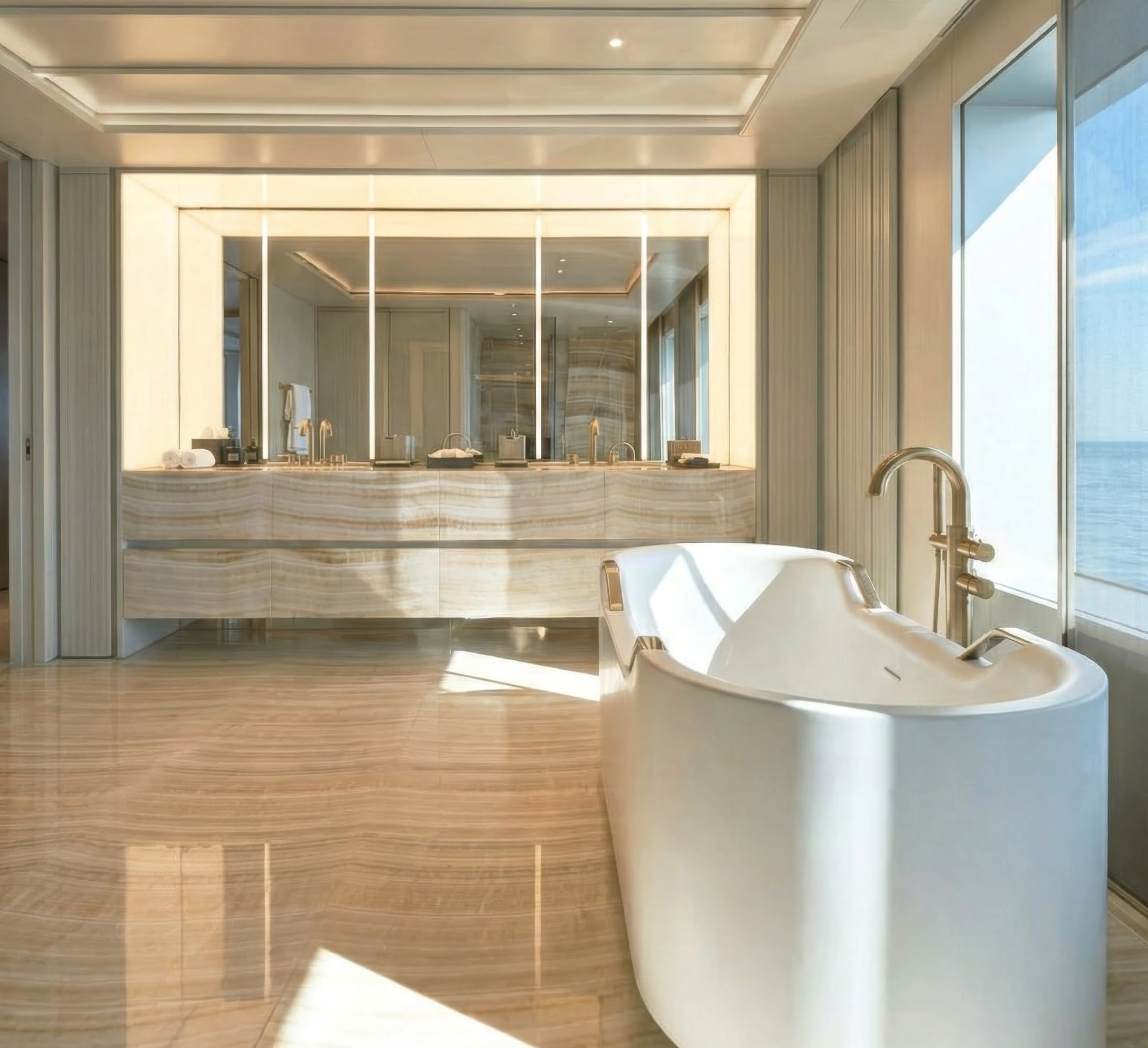
Interior Design
Interior Design
Performance
Cruising Speed
14.5
kn
Max Speed
15.5
kn
Range
6,000
nm
/
150K
L
(fuel tanks)
Propulsion
Type
Diesel
Motor yacht
Horse Power
5,300
HP
Engines info
Performance
Cruising Speed
14.5
kn
Max Speed
15.5
kn
Range
6,000
nm
/
150K
L
(fuel tanks)
Propulsion
Type
Diesel
Motor yacht
Horse Power
5,300
HP
Engines info
Official Owner
Leonardo Maria Del Vecchio
Nationality
Italian 🇮🇹
Estimated Net Worth
$7B
See ownership history
Official Owner
Leonardo Maria Del Vecchio
Nationality
Italian 🇮🇹
Estimated Net Worth
$7B
See ownership history
Fun Facts
✏️ DESIGNED BY GIORGIO ARMANI HIMSELF:
The origin story of ”No Rush” is rooted in a moment of serendipitous architectural appreciation. The collaboration between The Italian Sea Group and Giorgio Armani did not begin in a boardroom, but on the streets of Milan. Giovanni Costantino, the Founder and CEO of The Italian Sea Group, has recounted the specific moment of inspiration that led to the partnership. While walking past the Emporio Armani store in Milan, a building noted for its imposing geometric volume and rigorous lines, Costantino visualized the structure not as a retail space, but as a hull. He saw in the building's facade the potential for a new language in yacht design, one that prioritized the "essential" over the ornamental.
This epiphany catalyzed a pursuit that would last six months. Costantino, known for his aggressive expansion of the Admiral brand and his desire to elevate it beyond traditional yacht building into the realm of luxury lifestyle, sought to bring Armani’s aesthetic discipline to the chaotic marine environment.
The negotiation period was intense, reflecting the high stakes for both parties. For Costantino, it was a bid for global prestige. For Armani, it was a risk to his carefully guarded brand equity. The two men finally met in person to formalize the deal, embarking on a project that Costantino would later describe as a ‘creative journey that has turned a dream into a reality’.
💔 HIS LAST CREATION:
The timing of the yacht's completion created a poignant narrative arc. When the keel was laid, it was celebrated as the first of a new era of Armani yachts.
By the time the final interior fittings were being installed in late 2025, it had become the last. Giorgio Armani passed away just three months before the vessel was delivered.
This tragedy fundamentally altered the perception of the yacht. It was no longer just a boat; it was the maestro's final work.
🤔 ENGINEERING STRUGGLE:
The transition from sketch to steel was not seamless. Snippets from the build report reveal a process defined by ‘constant back-and-forth’ between Armani’s creative team in Milan and the naval engineers in Marina di Carrara. Giorgio Armani, 87 years old at the start of the project, displayed a level of hands-on involvement that surprised the shipyard.
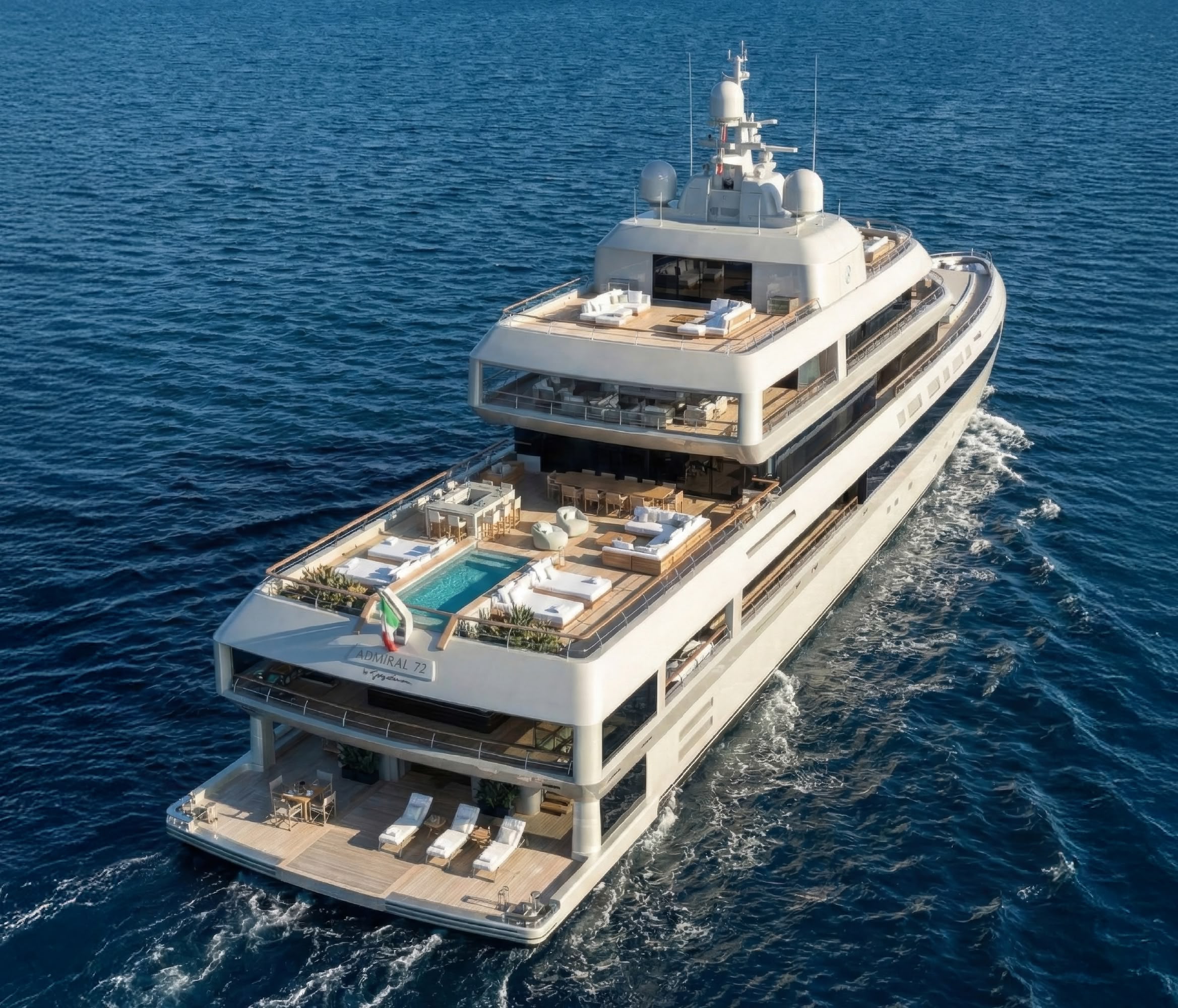
The friction points were numerous. Armani demanded ‘invisible detailing’ - the removal of all visual clutter such as vents, scuppers and door handles that typically mar a yacht's profile. He insisted on flush decks where the transition between teak and steel was imperceptible.
The shipyard engineers were tasked with creating complex concealment mechanisms for essential marine equipment (mooring bollards, fire hydrants, life rafts) to satisfy the designer's ‘strict demands’ for visual purity. This tension between the poetic elegance of the designer and the technical excellence of the shipyard became the defining characteristic of the build, ultimately resulting in a vessel that looks more like a sculpture than a machine.
🎨 GOLD SKIN:
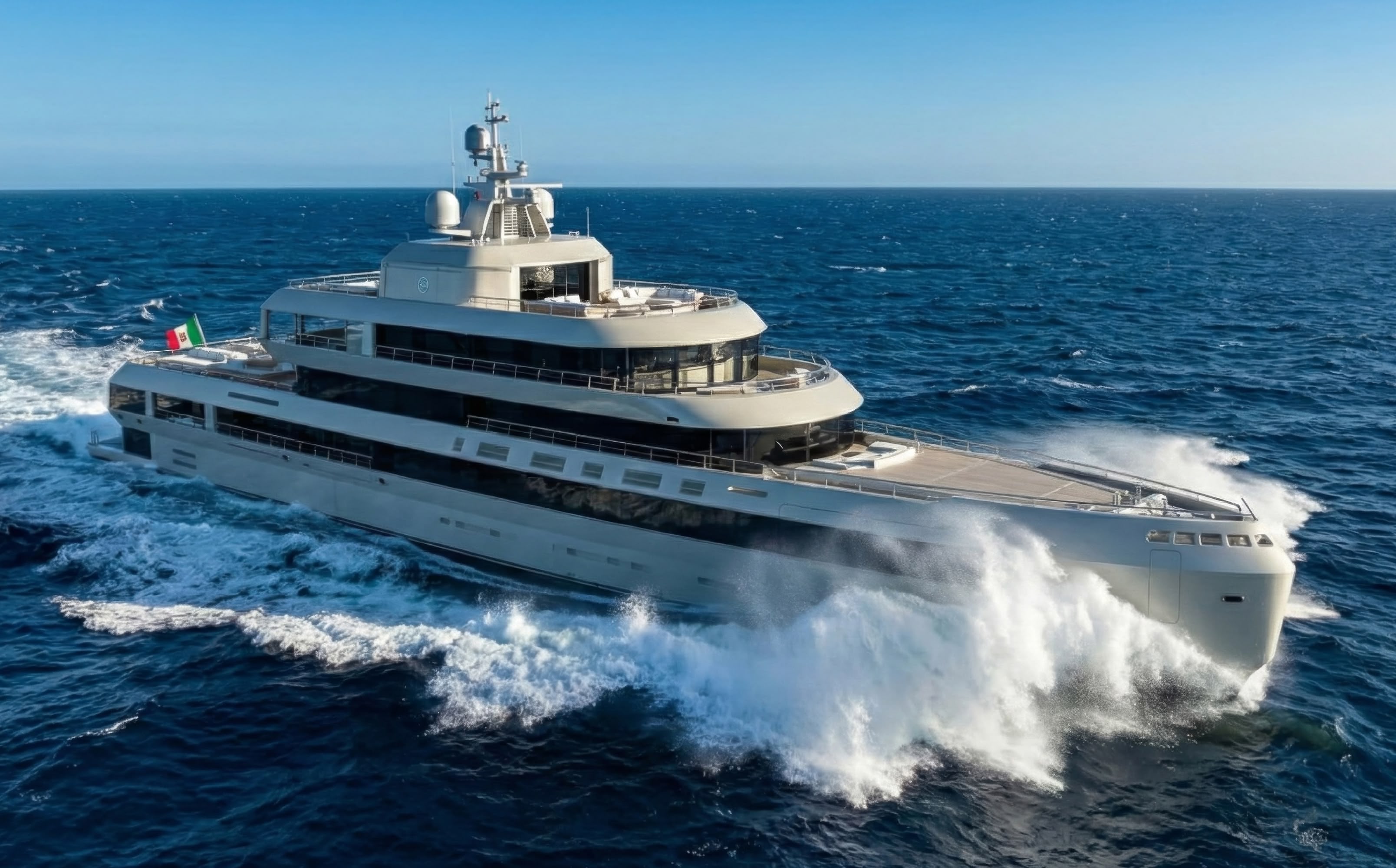
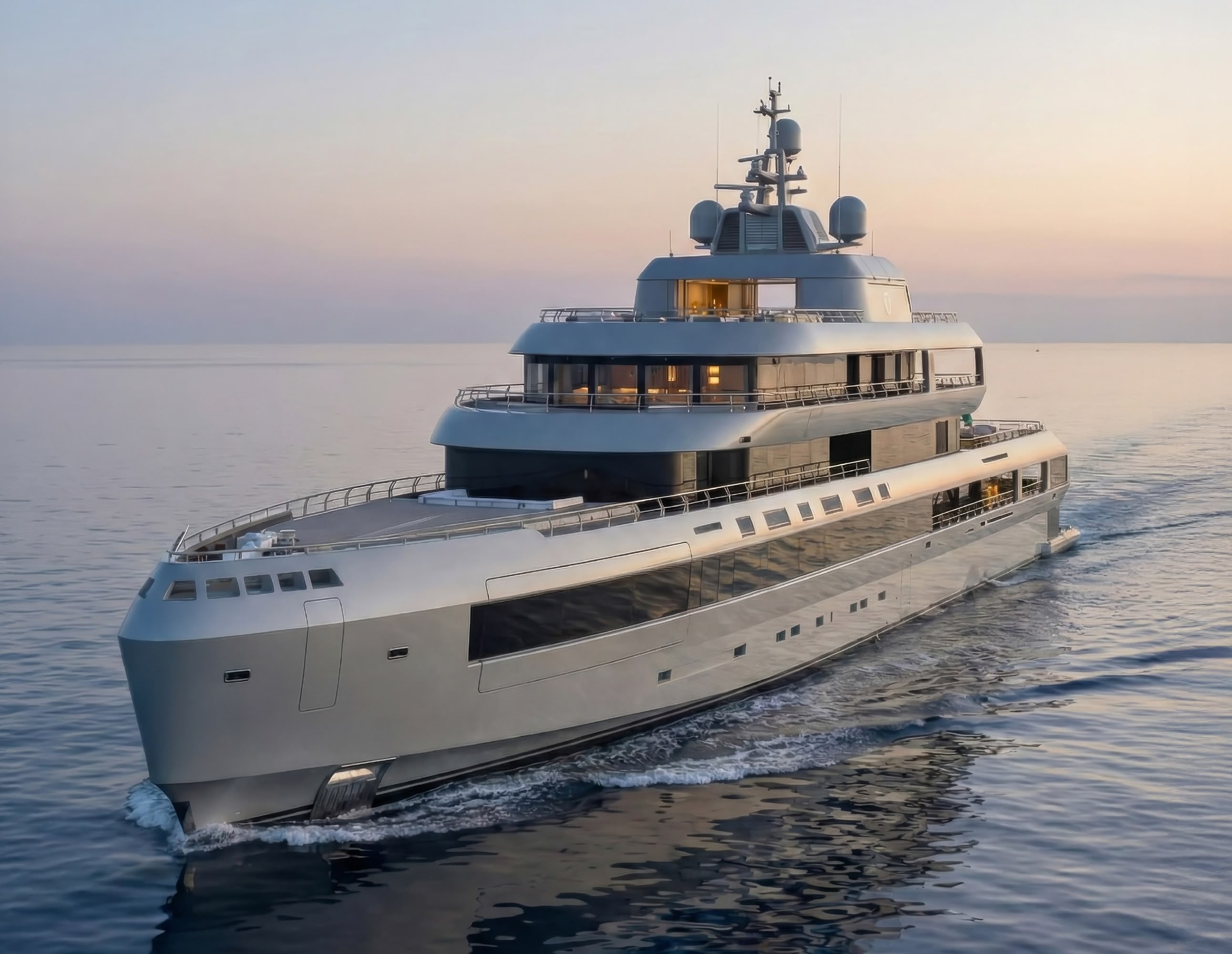
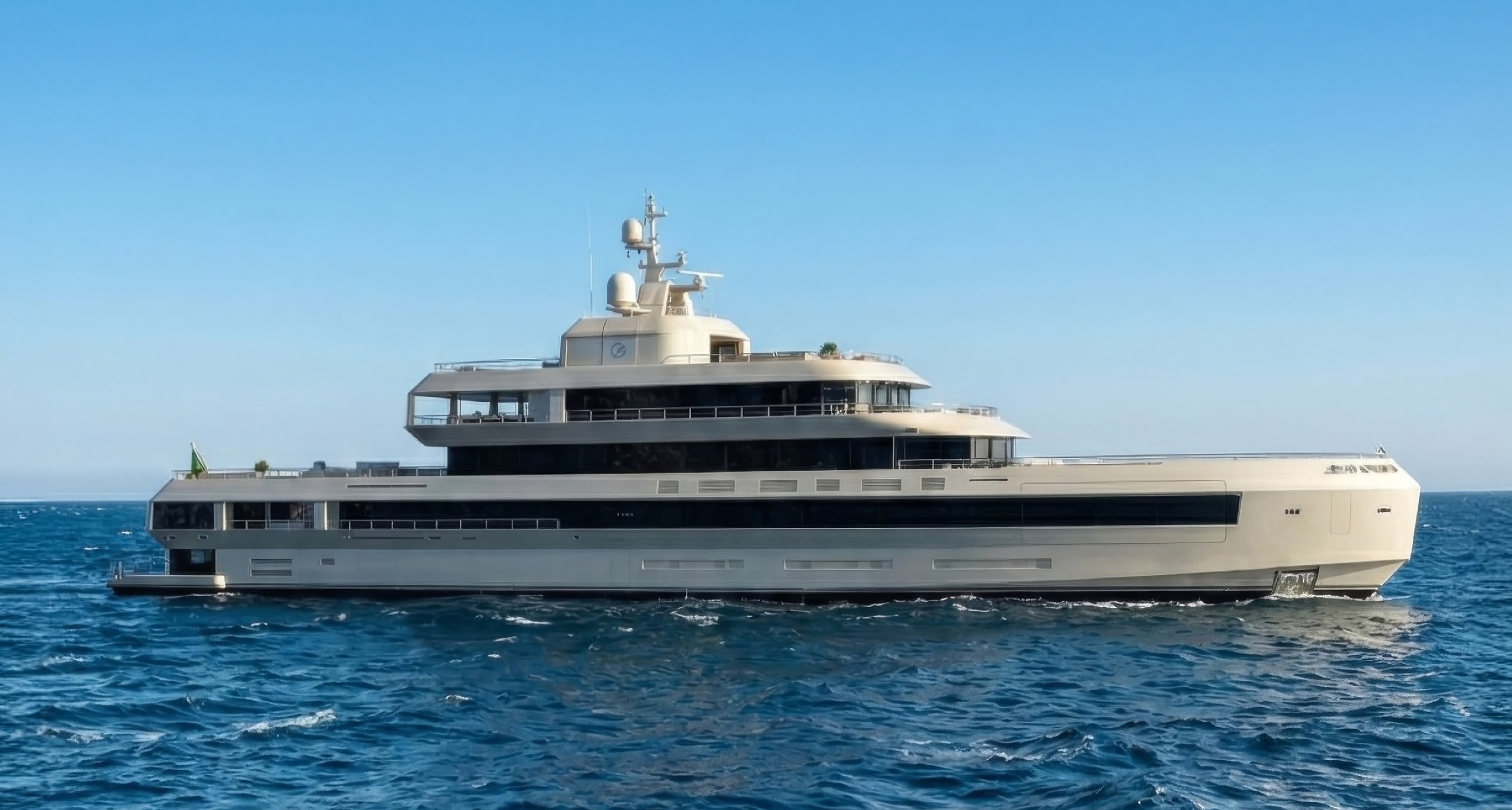
One of the most defining and technically difficult features of ”No Rush” is her exterior finish. Armani selected a specific shade of ‘satin gold’ for the hull and superstructure.
In the world of superyacht painting, satin and matte finishes are notoriously unforgiving. High-gloss paint can hide minor imperfections in the steelwork through reflection. Satin finishes, however, absorb light and reveal every undulation.
To achieve this finish, the shipyard had to execute a fairing process (the smoothing of the steel hull with filler) of unprecedented precision. The application of the metallic paint required strictly controlled atmospheric conditions to effectively prevent the metallic flakes to settle unevenly.
The result is a yacht that changes color with the sun, appearing champagne in the morning light and a deep, burnished gold at sunset. This ‘skin’ is integral to the yacht's identity, separating it from the fleet of white boats that dominate the Mediterranean. (+)
✏️ DESIGNED BY GIORGIO ARMANI HIMSELF:
The origin story of ”No Rush” is rooted in a moment of serendipitous architectural appreciation. The collaboration between The Italian Sea Group and Giorgio Armani did not begin in a boardroom, but on the streets of Milan. Giovanni Costantino, the Founder and CEO of The Italian Sea Group, has recounted the specific moment of inspiration that led to the partnership. While walking past the Emporio Armani store in Milan, a building noted for its imposing geometric volume and rigorous lines, Costantino visualized the structure not as a retail space, but as a hull. He saw in the building's facade the potential for a new language in yacht design, one that prioritized the "essential" over the ornamental.
This epiphany catalyzed a pursuit that would last six months. Costantino, known for his aggressive expansion of the Admiral brand and his desire to elevate it beyond traditional yacht building into the realm of luxury lifestyle, sought to bring Armani’s aesthetic discipline to the chaotic marine environment.
The negotiation period was intense, reflecting the high stakes for both parties. For Costantino, it was a bid for global prestige. For Armani, it was a risk to his carefully guarded brand equity. The two men finally met in person to formalize the deal, embarking on a project that Costantino would later describe as a ‘creative journey that has turned a dream into a reality’.
🤔 ENGINEERING STRUGGLE:
The transition from sketch to steel was not seamless. Snippets from the build report reveal a process defined by ‘constant back-and-forth’ between Armani’s creative team in Milan and the naval engineers in Marina di Carrara. Giorgio Armani, 87 years old at the start of the project, displayed a level of hands-on involvement that surprised the shipyard.
The friction points were numerous. Armani demanded ‘invisible detailing’ - the removal of all visual clutter such as vents, scuppers and door handles that typically mar a yacht's profile. He insisted on flush decks where the transition between teak and steel was imperceptible.
The shipyard engineers were tasked with creating complex concealment mechanisms for essential marine equipment (mooring bollards, fire hydrants, life rafts) to satisfy the designer's ‘strict demands’ for visual purity. This tension between the poetic elegance of the designer and the technical excellence of the shipyard became the defining characteristic of the build, ultimately resulting in a vessel that looks more like a sculpture than a machine.
💔 HIS LAST CREATION:
The timing of the yacht's completion created a poignant narrative arc. When the keel was laid, it was celebrated as the first of a new era of Armani yachts.
By the time the final interior fittings were being installed in late 2025, it had become the last. Giorgio Armani passed away just three months before the vessel was delivered.
This tragedy fundamentally altered the perception of the yacht. It was no longer just a boat; it was the maestro's final work.
🎨 GOLD SKIN:
One of the most defining and technically difficult features of ”No Rush” is her exterior finish. Armani selected a specific shade of ‘satin gold’ for the hull and superstructure.
In the world of superyacht painting, satin and matte finishes are notoriously unforgiving. High-gloss paint can hide minor imperfections in the steelwork through reflection. Satin finishes, however, absorb light and reveal every undulation.
To achieve this finish, the shipyard had to execute a fairing process (the smoothing of the steel hull with filler) of unprecedented precision. The application of the metallic paint required strictly controlled atmospheric conditions to effectively prevent the metallic flakes to settle unevenly.
The result is a yacht that changes color with the sun, appearing champagne in the morning light and a deep, burnished gold at sunset. This ‘skin’ is integral to the yacht's identity, separating it from the fleet of white boats that dominate the Mediterranean. (+)
All media not captured by this website remain the sole property of their respective owners, as credited. No licenses, copyrights, or other usage rights are granted to users of this site. All rights are reserved by the original creators.
Majority of the pictures displayed on this website are AI-generated illustrations used for visual representation purposes only. Not real pictures, unless explicitly stated otherwise. The appearance of the actual yacht may differ from those shown in the illustrations.
This page is provided for general informational purposes only and does not constitute a formal listing for sale or charter. I am not the manager, owner, nor representative of this vessel. While the data provided is gathered from publicly available sources, I cannot guarantee that all information is accurate, complete, or up to date at all times.
All media not captured by this website remain the sole property of their respective owners, as credited. No licenses, copyrights, or other usage rights are granted to users of this site. All rights are reserved by the original creators.
Majority of the pictures displayed on this website are AI-generated illustrations used for visual representation purposes only. Not real pictures, unless explicitly stated otherwise. The appearance of the actual yacht may differ from those shown in the illustrations.
This page is provided for general informational purposes only and does not constitute a formal listing for sale or charter. I am not the manager, owner, nor representative of this vessel. While the data provided is gathered from publicly available sources, I cannot guarantee that all information is accurate, complete, or up to date at all times.

The Yacht Info
Copyright © 2026 The Yacht Info
All rights reserved
The Yacht Info
Copyright © 2026 The Yacht Info
All rights reserved